Checkmate for Construction? Colombia’s 35% Steel Tariff Challenges Housing in 2026

Colombia enters 2026 with its construction and housing sectors being put to the ultimate test. The administration’s announcement of a 35 percent steel tariff on steel imports, intended to shield U.S. producers, is rapidly becoming the most contentious economic action of the year.

In the case of foreign suppliers such as Royal Steel Group, a longtime provider of construction and structural steel to Latin American markets – the policy is forcing them to rethink trade strategies overnight.
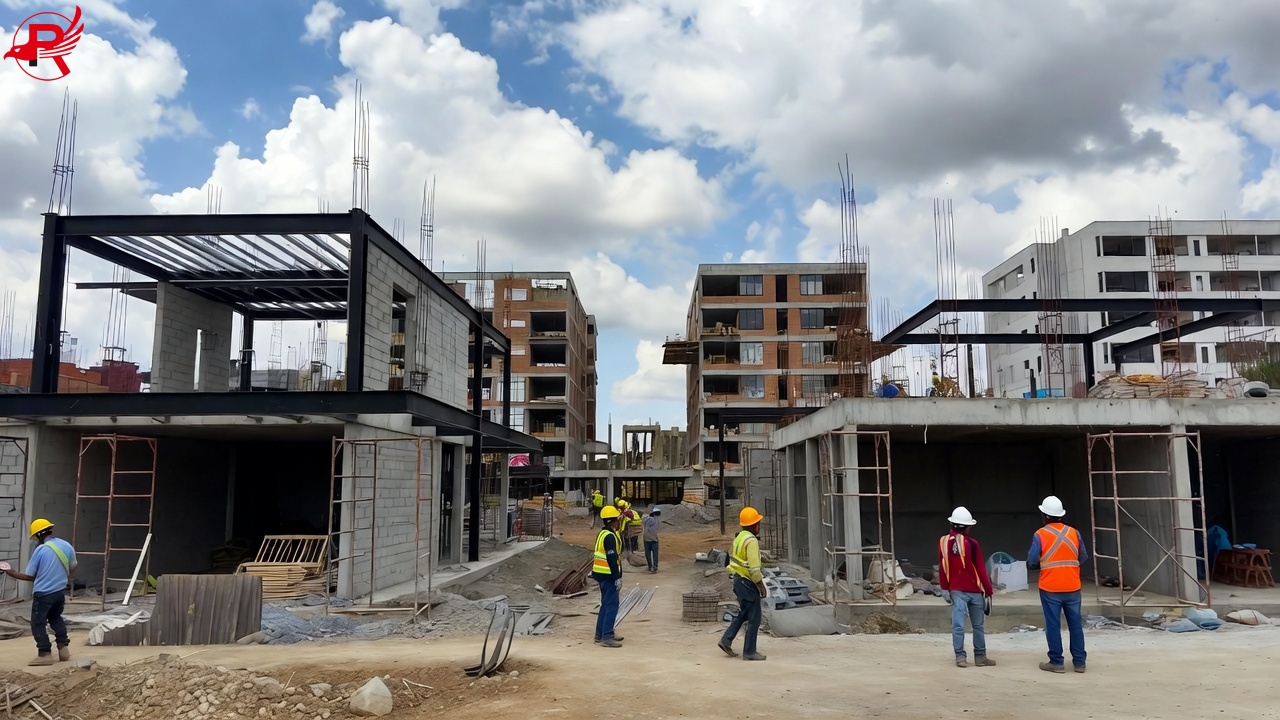
steel structure building1_

Rising Costs, Shrinking Margins

Rebar beams, columns, roofing systems and industrial steel structure buildings all owe their existence to steel – and so does Colombian construction. As local production is insufficient to meet demand, Colombia depends on imports from Brazil, Mexico, China and other international suppliers — including companies like Royal Steel Group.

Since the tariff took effect:

1.Rebar and structural steel prices have jumped 18–25%.

2.Total construction costs for housing projects are up 10–15% compared with late 2025.

3.Some private developers have delayed or scaled down projects due to cost pressure.

It is reported by Royal Steel Group, that majority of the Colombian buyers are being converted now to more high strength, longer life, and with less carbon steel, they are trying to compensate the higher prices with better performance and value of life.

Housing Sector Under Pressure

Colombian construction materials must be cost-effective, particularly for the social and middle income housing segments. Developers are warning that:

1.Higher steel costs will trim the number of feasible housing starts.

2.Home prices could increase, making homes less affordable.

3.Subsidized housing could go over budget.

Based on market feedback from Royal Steel Group, contractors are beginning to focus on:

1.Optimized steel profiles for tonnage reduction per project

2.Grade of structural steel that enables lighter sections

3.Longer-term purchase agreements to mitigate price fluctuations.

Government’s View: Protecting Local Industry

Authorities argue the tariff will:

1.Shield local mills from low-priced foreign steel

2.Protect domestic steel jobs

3.Encourage investment in local capacity

But ramping up steel production takes years. In the interim period, the role of the importers such as Royal Steel Group is still essential to fill the supply gap, particularly in specialized profiles, high strength rebar or project specific steel solutions.

Trade Shifts and Export Strategy

The tariff is already changing regional trade:

1.A few are rerouting shipments to Central America and the Caribbean.

2.Others are concentrating on value-added steel that can bear the tariff.

3.Purchasers are bartering mixed buy deals: local basic steel + imported high-grade steel.

Royal Steel Group has adjusted its Colombia strategy by:

1.Favouring structural steel and project steel

2.Providing low carbon, and certified, steel structure solutions to meet your sustainability targets

3.Assist clients in technical optimizations that reduce steel used per job.

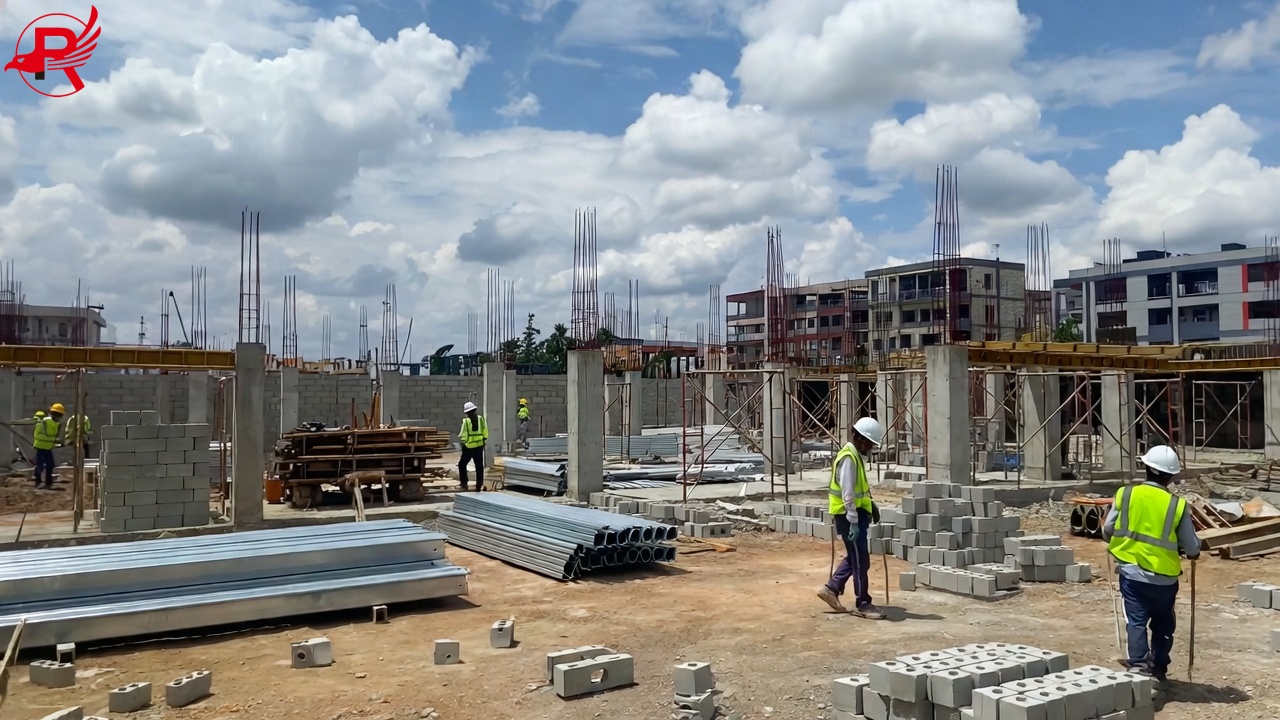
steel structure building_

A Defining Year for Construction

The verdict “success or outlier” under Colombia’s tariff policy will be 2026. “If the production of domestic steel increases rapidly, the pressure might be relieved. If not, the country could experience:

1.Housing delivery is slow.

2.Belated infrastructure work.

3.Higher urban living costs.

But for now, contractors, developers and suppliers like Royal Steel Group are moving quickly. In a market based on steel, policy, and confidence, one thing is clear:

The 35% tariff has changed the game and how companies like Royal Steel Group respond will help shape Colombia’s construction future.

China Royal Steel Ltd

Address

Bl20, Shanghecheng, Shuangjie Street, Beichen District, Tianjin, China

Phone

+86 13652091506


Post time: Jan-12-2026