How to Choose Angle Steel for Construction: Expert Tips and Guidelines

Angle steel, or angle bar as some people call it, is a critical part that is used in many construction, infrastructure, and industrial application. Choosing the correct angle steel is of the utmost importance to guarantee that your project has the strength, cost effectiveness and long term durability. This is a collection of expert advice and practical guidelines on construction for engineers, building professionals and contractors.

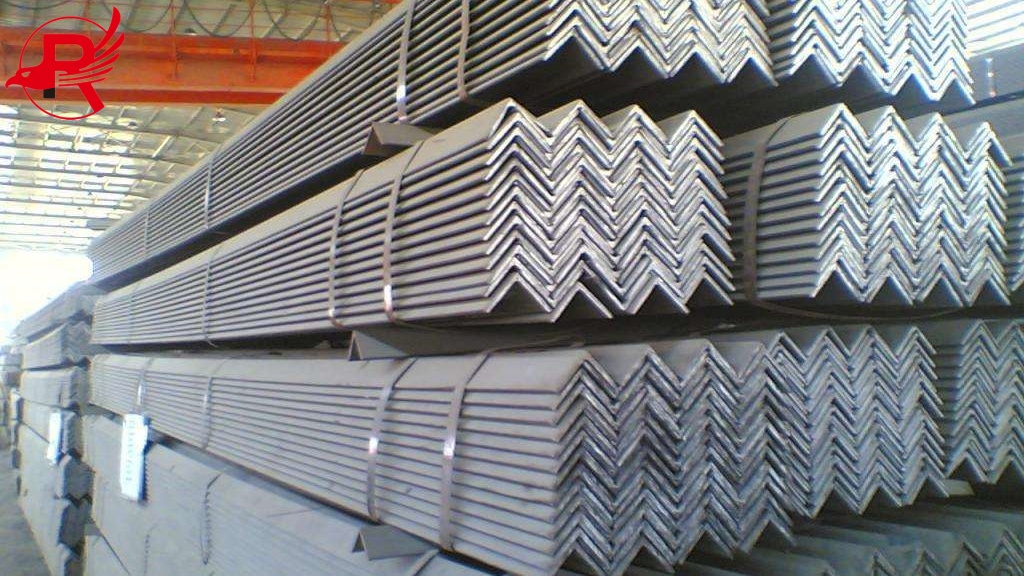
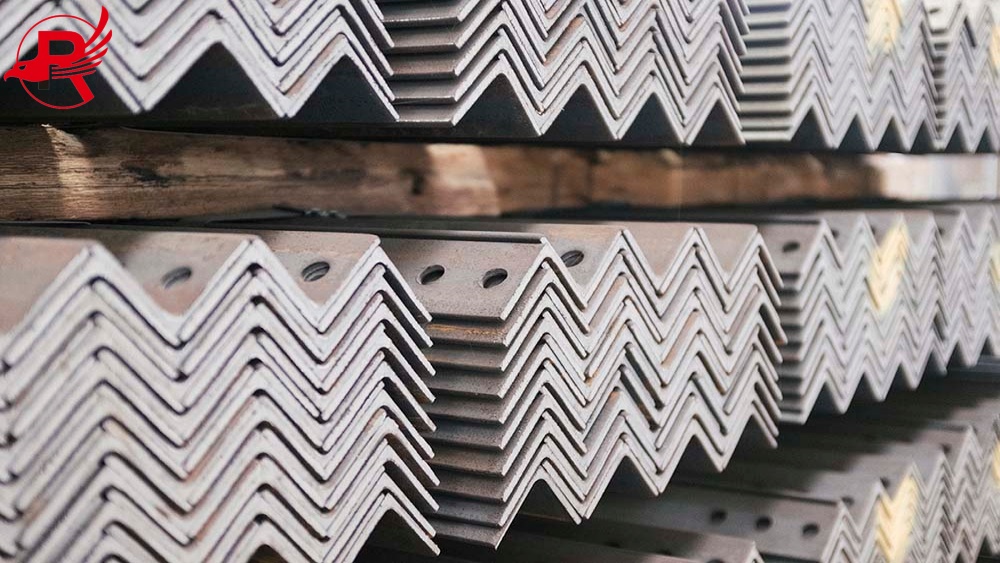
Angle,Steel,Bar,At,Outdoor,Storage,Yard,Of,Factory.

1. Understand the Types and Grades of Angle Steel

Angle steel comes in various materials and grades, commonly including:

1.Carbon Steel Angle Steel (ASTM A36, A515, A283): Durable and widely used in structural frameworks.

2.Stainless Steel Angle Steel: Corrosion-resistant, ideal for outdoor or humid environments.

3.Hot Rolled vs. Cold Rolled Angle Steel: Hot rolled angle steel offers higher strength and better welding performance, while cold rolled steel provides smoother surface finish.

Knowing the grade and type allows us to tell if it will be a good fit for the load and environmental demands of the building project.

2. Choose the Right Size and Thickness

The load capacity of an angle steel depends on the sizes of its legs, its thickness, and length. Considerations of the scope include the following:

1.Load Requirements: The structural loads are calculated and appropriate cross-sectional size selected.

2.Span and Support: Longer spans may need larger or heavier gauge angle steel to resist bending or bowing.

3.Standard Sizes: Typical angles include L50×50×5 mm, L75×75×8 mm, or tailored sizes as per the project requirements.

Choosing the right size minimizes waste and provides adequate safety.

3. Consider Surface Treatment and Coating

The steel surfaces can be processed to be more durable:

1.Galvanizing: Defends against rust and corrosion particularly for outdoor use.

2.Painting or Powder Coating: For additional protection in harsh environments and for aesthetic enhancement.

Surface treatment is crucial for industrial plants, bridges and outdoor structures.

4.Evaluate Supplier and Quality Standards

Working with trusted suppliers meets international standards for example ASTM, EN or JIS. look for the following:

1.Material Testing Certificates (tensile strength, chemical composition)

2.Delivery promise and Stock status

3.Customer service and support

A reliable supplier helps to prevent delays in your project and ensures the quality of your materials.

3

5. Application Scenarios of Angle Steel in Construction

5. Application Scenarios of Angle Steel in Construction

1.Angle steel is versatile and used in:

2.Structural frameworks of buildings and warehouses

3.Bridges and industrial platforms

4.Reinforcement of machinery bases and racks

5.Roofing and truss structures

By selecting the right type and size, angle steel can significantly enhance the durability and safety of any construction project.

1

Expert Advice

“Consider the load and environmental factors for the load when choosing angle steel. Cheap or incompatible steel type can cause premature failure of the structure and maintenance nightmare,” says a senior structural engineer of Royal Steel Group.

Conclusion

Your  Choice in angle steel is not just about picking a run of the mill L-profile bar — you have to take into account the material the bar is made of, the size of bar you need, the type of bodily protection you want on the bar (and whether that is one-way or multi-use), and just how trustworthy the supplier is. The right selection leads to safer, more productive and more cost effective construction jobs.

China Royal Steel Ltd

Address

Bl20, Shanghecheng, Shuangjie Street, Beichen District, Tianjin, China

Phone

+86 13652091506


Post time: Dec-09-2025