
With worldwide construction set to pick up pace in 2025, the discussion on the place of steel structure in the future of building is getting hotter. Previously praised as the essential component of contemporary infrastructure, steel structures find themselves at the heart of a worldwide discussion — contending with cost pressures, carbon reduction targets, and the demand for innovation.
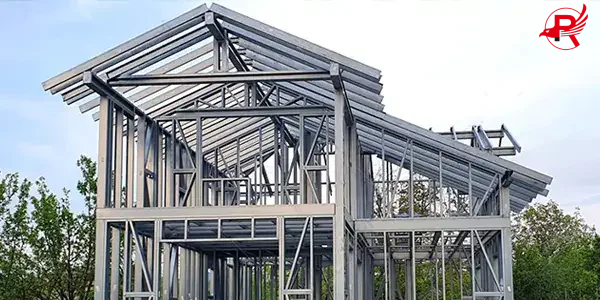
North American and Latin American manufacturers are seeing unprecedented volatility in steel prices and intensiveness of the production. Steel continues to be the material of choice for large and high rise steel building because of its strength and flexibility, but other materials such as engineered timber and recycled composites are making their way as options in sustainable design.
A spokesperson from Royal Steel Group, a premier steel provider for commercial and industrial applications, said, "Steel isn't going away — it's evolving." “Innovations in green steel manufacturing and modular construction are changing the way the industry delivers solutions to both economic and environmental concerns.”
The international market for metal structure is expanding on the back of infrastructure development projects in transportation, logistics, and renewable energy sectors. But carbon footprint is still a stumbling block. Steel production is still responsible for an estimated 7-9% of global CO2 emissions — so the need for a greener future in steelmaking is clear, meaning steelmakers have been pouring billions into low-carbon technologies like electric arc furnaces and hydrogen-based processes.
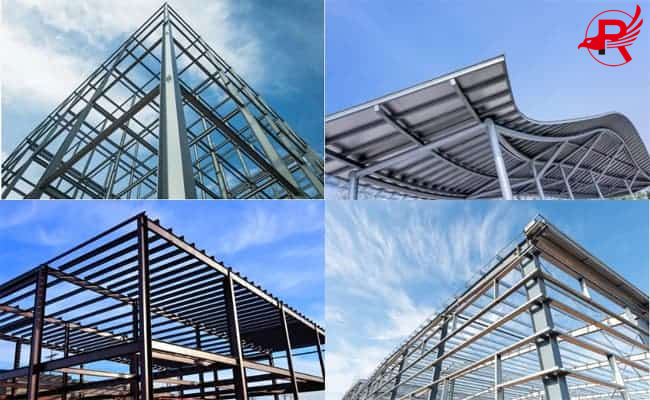
Industry experts disagree:
1.Promoters say that because steel is recyclable, structurally reliable, and cost-effective, it will be a staple material for future cities.
2.Sceptics respond that if the material does not decarbonize rapidly, then it will potentially lose its market share to more sustainable alternatives.
In areas such as Mexico, Brazil and Chile, the influence of green building policies supported by the government is beginning to shape the market for building materials. Hybrid forms — using steel frames together with composite or wood components — are being developed as a compromise between sustainability and structural capability.
For the time being, can steel continue to dominate the building industry globaly while adhering to climate commitments at the same time is a question mark? But one thing is clear: the competition to define the steel of the future is on.
Address
Bl20, Shanghecheng, Shuangjie Street, Beichen District, Tianjin, China
Phone
+86 13652091506
Post time: Nov-05-2025