Hot Rolled vs Cold Formed Sheet Pile: 2026 Complete Buyer’s Guide

Steel sheet piles are an industry standard for retaining walls, cofferdams, and excavation support. In 2026 buyers have the option to choose between hot rolled and cold formed sheet piles. This article explains how they are made, how they perform, and where they are used in the real world so you can make an informed decision.
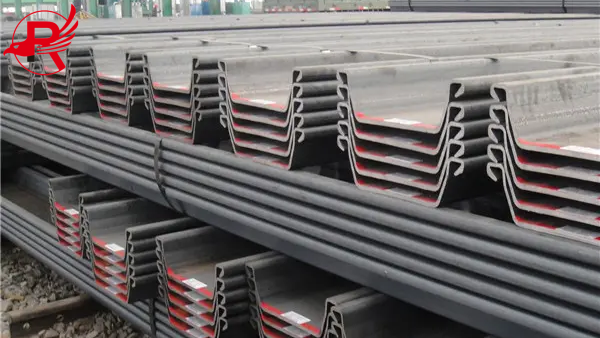
hot rolled steel sheet pile
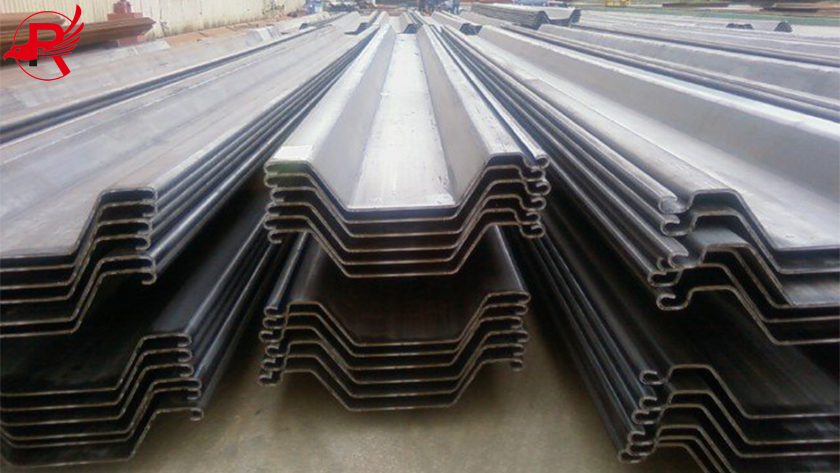
cold formed steel sheet pile

Manufacturing Process

Hot Rolled: Formed at high temperatures (>900°C) from steel billets. Tighter, thicker interlocks (Larssen or ball-and-socket type). Higher recycled content (~100%).

Cold Formed: Rolled at room temperature from steel coils. Lighter, more uniform thickness, universal interlocks (easier compatibility across manufacturers).

Key Differences Comparison Table

Aspect Hot Rolled Sheet Pile Cold Formed Sheet Pile
Manufacturing Produced from steel billets at temperatures over 1,200°C. Formed from steel coils at room temperature via rolling mills.
Interlock Quality Superior. Features tight, bulb-shaped interlocks (Larssen) for high tension. Moderate. Interlocks are formed by folding edges; looser fit compared to hot rolled.
Water-Tightness Excellent. High precision interlocks provide near-perfect sealing (often used with sealants). Standard. Wider interlock gaps; not recommended for high-pressure water environments.
Durability High. Low residual stress and uniform material density enhance corrosion resistance. Medium. Bending points may have residual stress, making them slightly more prone to corrosion.
Flexibility Standard sections (Type II, III, IV, etc.) with fixed dimensions. Highly Customizable. Width, height, and thickness can be tailored to project needs.
Application Permanent works: Ports, bridges, deep cofferdams, and high-pressure retaining walls. Temporary works: Trench shoring, low-pressure embankments, and budget-sensitive projects.
Cost Premium pricing due to high energy and tooling costs. Cost-Effective. Lower production costs and smaller minimum order quantities (MOQ).

Advantages & Disadvantages

Hot Rolled Pros: Better in tough soils, tighter seal, proven for permanent structures. Cons: Harder to splice different brands.

Cold Formed Pros: Faster production, flexible installation, lower price. Cons: May deform more in very hard driving.

Applications in 2026

Application Type Hot Rolled Sheet Pile (Preferred) Cold Formed Sheet Pile (Preferred)
Ports & Heavy Marine Structures High-load quay walls, deep harbors Smaller marinas or curved sections
Flood Walls & Defence Permanent high-protection walls Small-scale or temporary flood barriers
Cofferdams Deep cellular/braced cofferdams in water Shallow or land-based temporary excavations
Retaining Walls Permanent heavy-duty walls Temporary or lighter retaining walls
Key Advantage Superior strength & watertightness Flexibility, cost, easier handling

Selection Tips

For the following factors please consider to ensure what is best for your piling job:

Geotechnical Conditions: Customize the options to the soil profiles and loads.

Service Life: Select the specialized coating for permanent structures or the economical option for temporary shoring.

System Integration: Make sure that they are precisely interlock-compatible for flawless installation and water-tightness.

Quality Assurance: We provide the MTC per heat and that is a must and it lies behind all that we do with international standards (ASTM / EN/ JIS).

Need a quote for hot rolled or cold formed sheet piles?

Contact our team for instant pricing and section properties or Download our free 2026 Sheet Pile Catalog PDF.

China Royal Steel Ltd

Address

Bl20, Shanghecheng, Shuangjie Street, Beichen District, Tianjin, China

Phone

+86 13652091506


Post time: Apr-08-2026