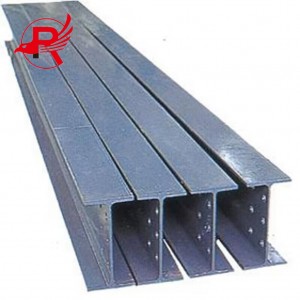
EN High Quality Standard Size H-shaped Steel Beam


PRODUCT PRODUCTION PROCESS
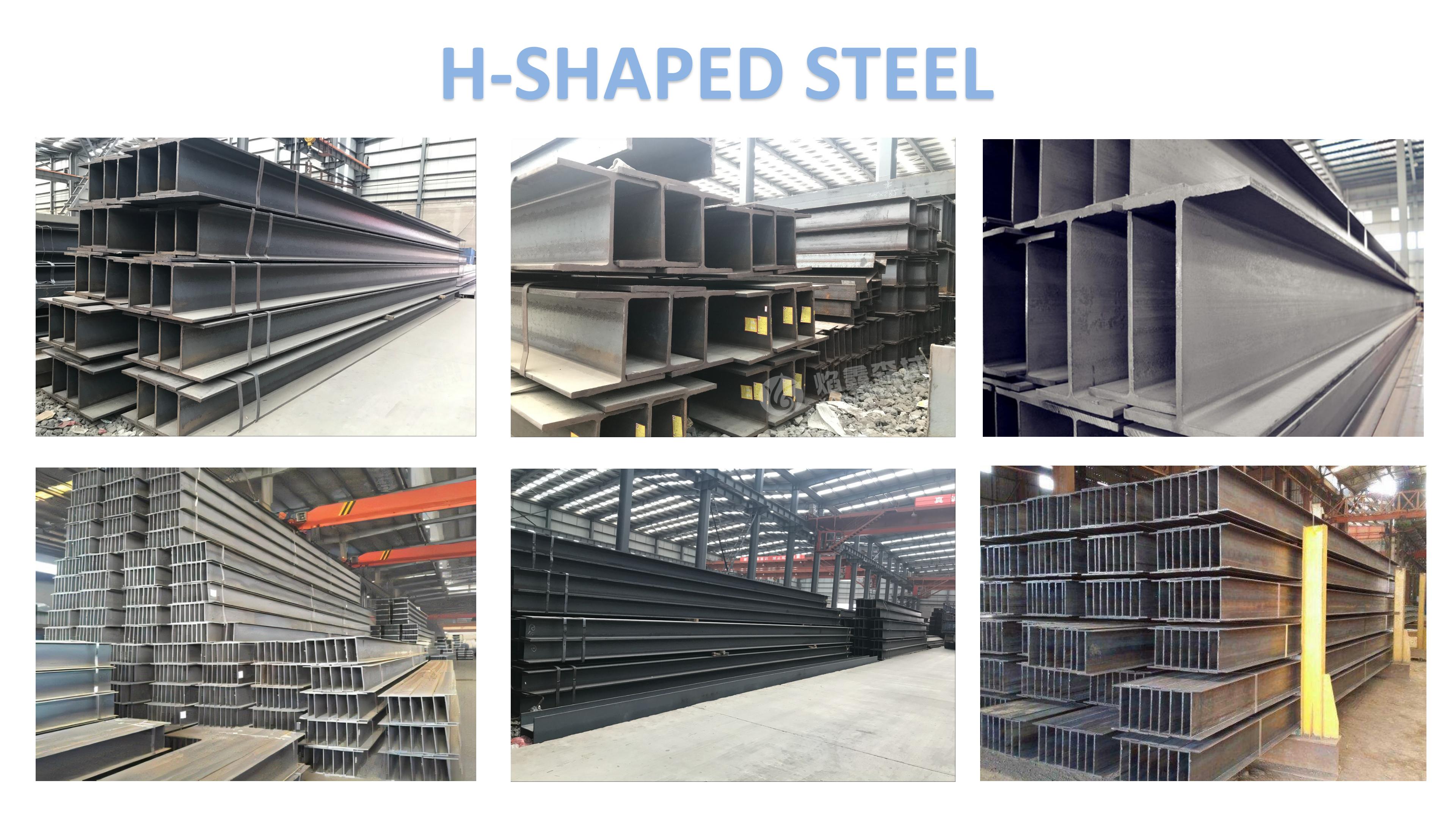
The production process for standard H-beams typically includes the following key steps:
Raw Material Preparation: The raw material for H-beams is typically steel billets. These billets are cleaned and heated to prepare for subsequent processing and forming.
Hot Rolling: The preheated billets are fed into a hot rolling mill. In the hot rolling mill, the billets are rolled through multiple rollers, gradually forming the cross-sectional shape of the H-beam.
Cold Working (Optional): In some cases, to improve the precision and surface quality of the H-beam, hot-rolled H-beams may also undergo cold working, such as cold rolling and drawing.
Cutting and Finishing: After rolling and cold working, the H-beams are cut and finished to meet specific dimensions and lengths as required by the customer.
Surface treatment: The H-shaped steel is cleaned thoroughly and will undergo rust prevention treatment as per the actual situation to ensure the quality of the product surface.
Inspection and packaging: All our finished H-shaped steel products will be inspected for appearance, dimensions and mechanical properties. Only after passing the inspection will they be packed and dispatched according to the customer's requirements.
PRODUCT SIZE
| Designation | Unt Weight kg/m) |
Standard Secional imension mm |
Sectional Ama (cm² |
|||||
| W | H | B | 1 | 2 | r | A | ||
| HE28 | AA | 61.3 | 264.0 | 280.0 | 7.0 | 10.0 | 24.0 | 78.02 |
| A | 76.4 | 270.0 | 280.0 | 80 | 13.0 | 24.0 | 97.26 | |
| B | 103 | 280.0 | 280.0 | 10.5 | 18.0 | 24.0 | 131.4 | |
| M | 189 | 310.0 | 288.0 | 18.5 | 33.0 | 24.0 | 240.2 | |
| HE300 | AA | 69.8 | 283.0 | 300.0 | 7.5 | 10.5 | 27.0 | 88.91 |
| A | 88.3 | 200.0 | 300.0 | 85 | 14.0 | 27.0 | 112.5 | |
| B | 117 | 300.0 | 300.0 | 11.0 | 19.0 | 27.0 | 149.1 | |
| M | 238 | 340.0 | 310.0 | 21.0 | 39.0 | 27.0 | 303.1 | |
| HE320 | AA | 74.3 | 301.0 | 300.0 | 80 | 11.0 | 27.0 | 94.58 |
| A | 97.7 | 310.0 | 300.0 | 9.0 | 15.5 | 27.0 | 124.4 | |
| B | 127 | 320.0 | 300.0 | 11.5 | 20.5 | 27.0 | 161.3 | |
| M | 245 | 359.0 | 309.0 | 21.0 | 40.0 | 27.0 | 312.0 | |
| HE340 | AA | 78.9 | 320.0 | 300.0 | 85 | 11.5 | 27.0 | 100.5 |
| A | 105 | 330.0 | 300.0 | 9.5 | 16.5 | 27.0 | 133.5 | |
| B | 134 | 340.0 | 300.0 | 12.0 | 21.5 | 27.0 | 170.9 | |
| M | 248 | 377.0 | 309.0 | 21.0 | 40.0 | 27.0 | 315.8 | |
| HE360 | AA | 83.7 | 339.0 | 300.0 | 9.0 | t2.0 | 27.0 | 106.6 |
| A | 112 | 350.0 | 300.0 | 10.0 | 17.5 | 27.0 | 142.8 | |
| B | 142 | 360.0 | 300.0 | 12.5 | 22.5 | 27.0 | 180.6 | |
| M | 250 | 395.0 | 308.0 | 21.0 | 40.0 | 27.0 | 318.8 | |
| HE400 | AA | 92.4 | 3780 | 300.0 | 9.5 | 13.0 | 27.0 | 117.7 |
| A | 125 | 390.0 | 300.0 | 11.0 | 19.0 | 27.0 | 159.0 | |
| B | 155 | 400.0 | 300.0 | 13.5 | 24.0 | 27.0 | 197.8 | |
| M | 256 | 4320 | 307.0 | 21.0 | 40.0 | 27.0 | 325.8 | |
| HE450 | AA | 99.8 | 425.0 | 300.0 | 10.0 | 13.5 | 27.0 | 127.1 |
| A | 140 | 440.0 | 300.0 | 11.5 | 21.0 | 27.0 | 178.0 | |
| B | 171 | 450.0 | 300.0 | 14.0 | 26.0 | 27.0 | 218.0 | |
| M | 263 | 4780 | 307.0 | 21.0 | 40.0 | 27.0 | 335.4 | |
| Designatio | Unit Weight kg/m) |
Standad Sectional Dimersion (mm) |
Sectiona Area (cm²) |
|||||
| W | H | B | 1 | 2 | r | A | ||
| HE50 | AA | 107 | 472.0 | 300.0 | 10.5 | 14.0 | 27.0 | 136.9 |
| A | 155 | 490.0 | 300.0 | t2.0 | 23.0 | 27.0 | 197.5 | |
| B | 187 | 500.0 | 300.0 | 14.5 | 28.0 | 27.0 | 238.6 | |
| M | 270 | 524.0 | 306.0 | 21.0 | 40.0 | 27.0 | 344.3 | |
| HE550 | AA | t20 | 522.0 | 300.0 | 11.5 | 15.0 | 27.0 | 152.8 |
| A | 166 | 540.0 | 300.0 | t2.5 | 24.0 | 27.0 | 211.8 | |
| B | 199 | 550.0 | 300.0 | 15.0 | 29.0 | 27.0 | 254.1 | |
| M | 278 | 572.0 | 306.0 | 21.0 | 40.0 | 27.0 | 354.4 | |
| HE60 | AA | t29 | 571.0 | 300.0 | t2.0 | 15.5 | 27.0 | 164.1 |
| A | 178 | 500.0 | 300.0 | 13.0 | 25.0 | 27.0 | 226.5 | |
| B | 212 | 600.0 | 300.0 | 15.5 | 30.0 | 27.0 | 270.0 | |
| M | 286 | 620.0 | 305.0 | 21.0 | 40.0 | 27.0 | 363.7 | |
| HE650 | AA | 138 | 620.0 | 300.0 | t2.5 | 16.0 | 27.0 | 175.8 |
| A | 190 | 640.0 | 300.0 | t3.5 | 26.0 | 27.0 | 241.6 | |
| B | 225 | 660.0 | 300.0 | 16.0 | 31.0 | 27.0 | 286.3 | |
| M | 293 | 668.0 | 305.0 | 21.0 | 40.0 | 27.0 | 373.7 | |
| HE700 | AA | 150 | 670.0 | 300.0 | 13.0 | 17.0 | 27.0 | 190.9 |
| A | 204 | 600.0 | 300.0 | 14.5 | 27.0 | 27.0 | 260.5 | |
| B | 241 | 700.0 | 300.0 | 17.0 | 32.0 | 27.0 | 306.4 | |
| M | 301 | 716.0 | 304.0 | 21.0 | 40.0 | 27.0 | 383.0 | |
| HE800 | AA | 172 | 770.0 | 300.0 | 14.0 | 18.0 | 30.0 | 218.5 |
| A | 224 | 790.0 | 300.0 | 15.0 | 28.0 | 30.0 | 285.8 | |
| B | 262 | 800.0 | 300.0 | 17.5 | 33.0 | 30.0 | 334.2 | |
| M | 317 | 814.0 | 303.0 | 21.0 | 40.0 | 30.0 | 404.3 | |
| HE800 | AA | 198 | 870.0 | 300.0 | 15.0 | 20.0 | 30.0 | 252.2 |
| A | 252 | 800.0 | 300.0 | 16.0 | 30.0 | 30.0 | 320.5 | |
| B | 291 | 900.0 | 300.0 | 18.5 | 35.0 | 30.0 | 371.3 | |
| M | 333 | 910.0 | 302.0 | 21.0 | 40.0 | 30.0 | 423.6 | |
| HEB1000 | AA | 222 | 970.0 | 300.0 | 16.0 | 21.0 | 30.0 | 282.2 |
| A | 272 | 0.0 | 300.0 | 16.5 | 31.0 | 30.0 | 346.8 | |
| B | 314 | 1000.0 | 300.0 | 19.0 | 36.0 | 30.0 | 400.0 | |
| M | 349 | 1008 | 302.0 | 21.0 | 40.0 | 30.0 | 444.2 | |
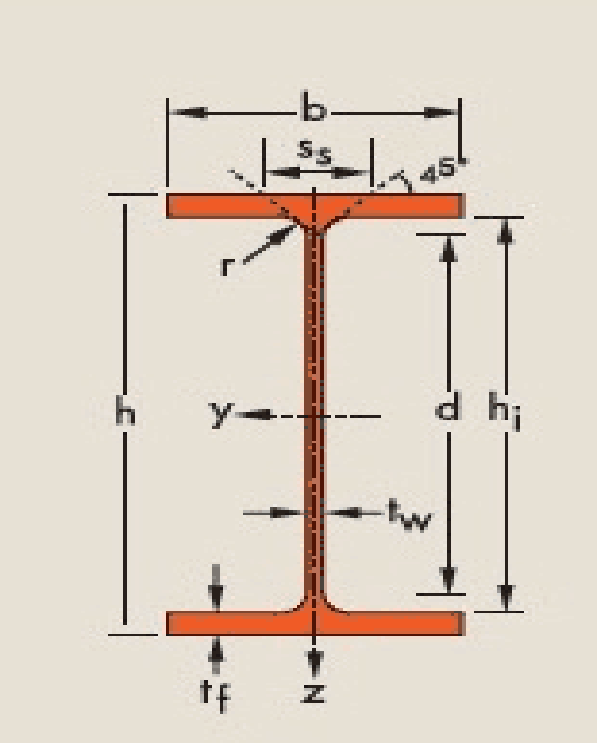
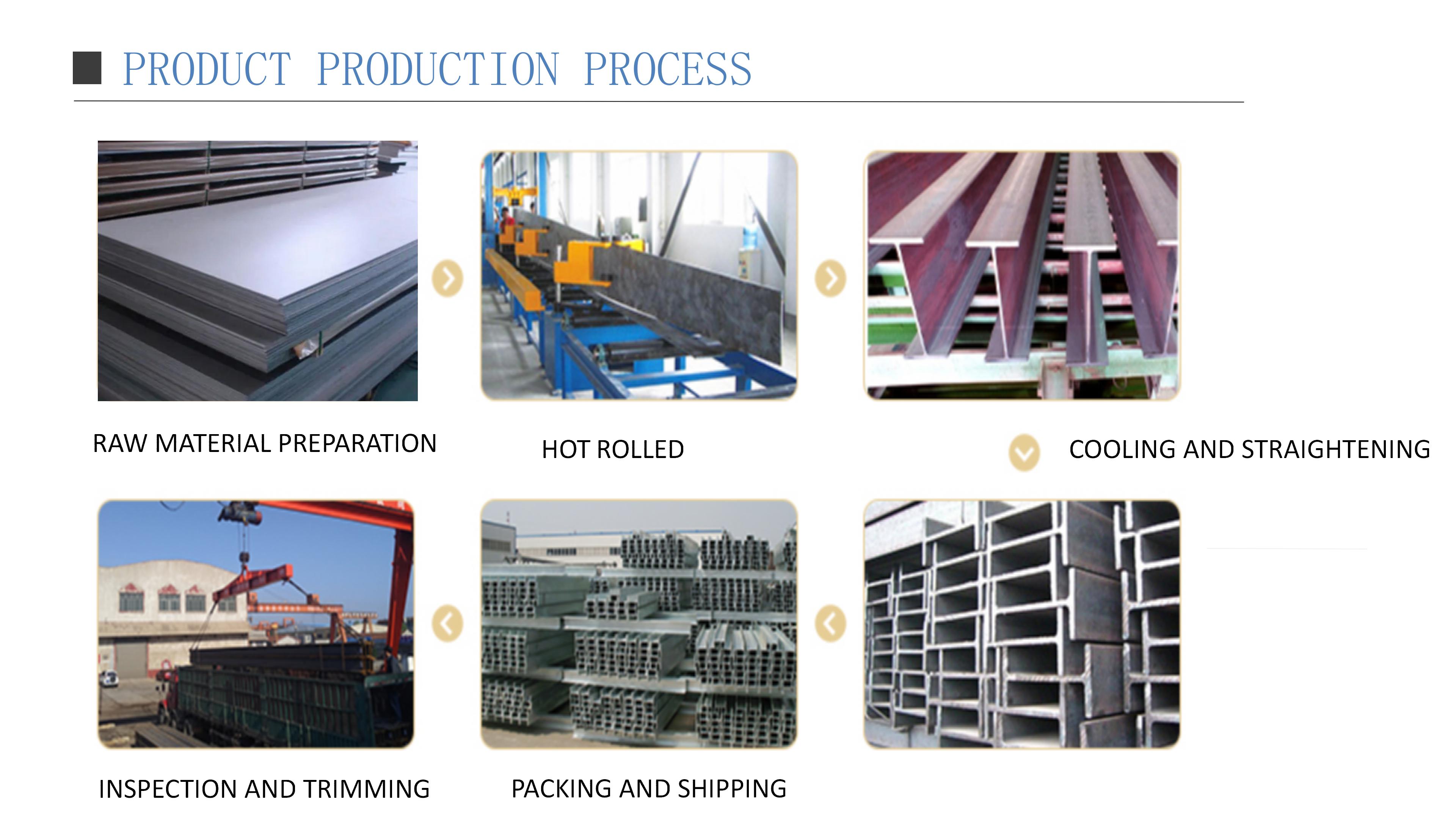
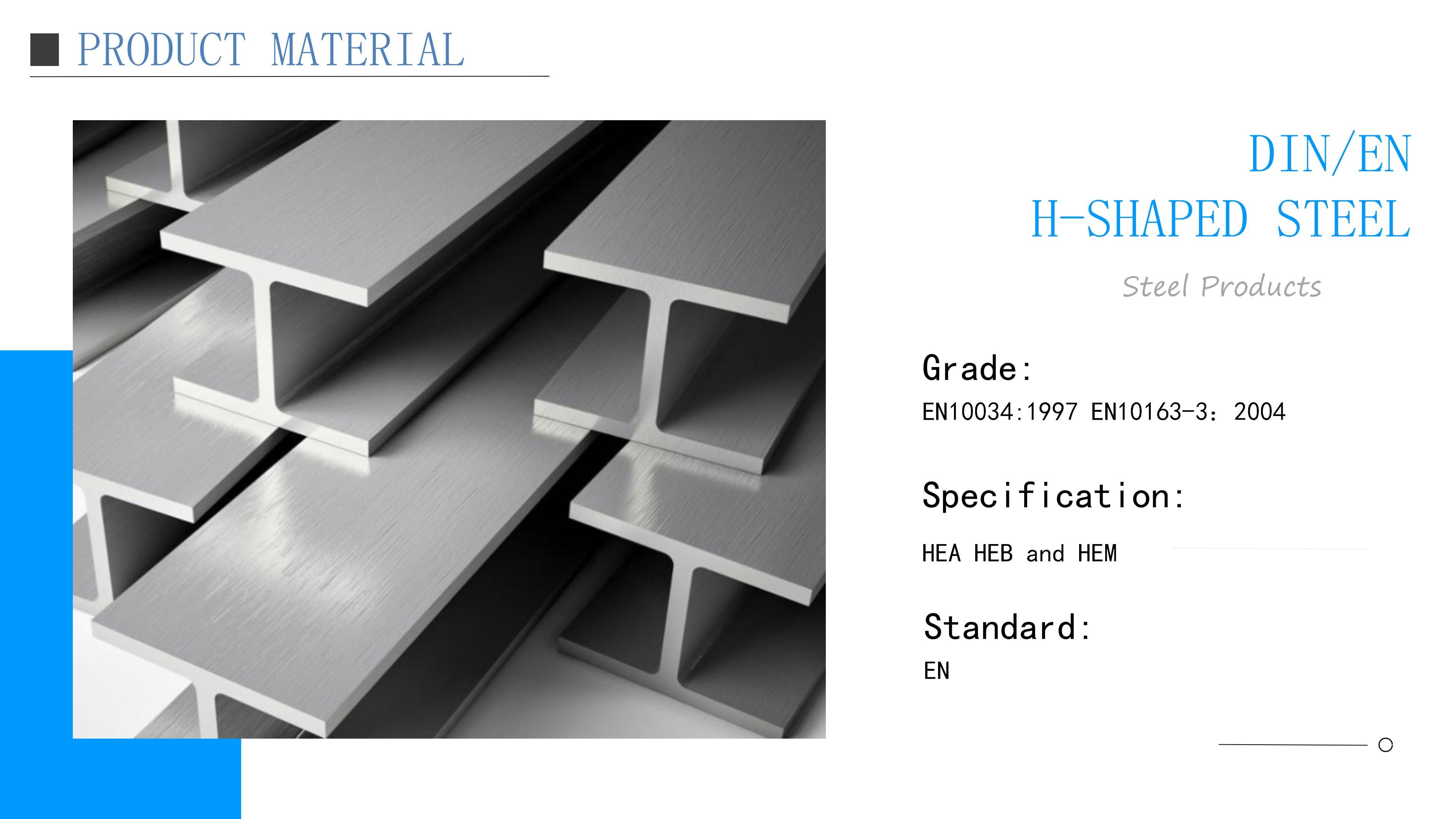
EN H-Shaped Steel
Grade: EN10034:1997 EN10163-3:2004
Specification:HEA HEB and HEM
Standard: EN
FEATURES
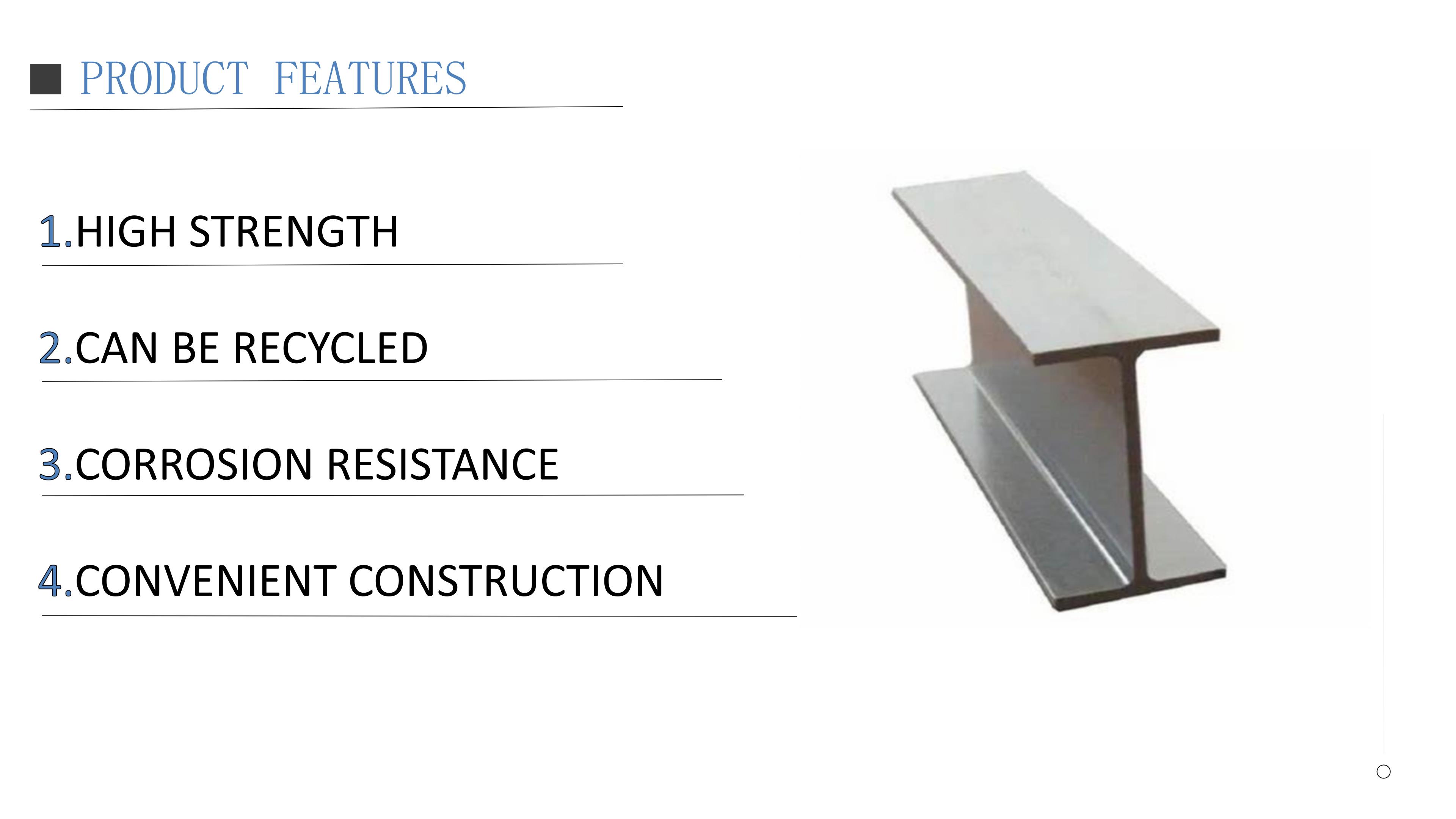
High strength: The cross-sectional shape design of H-shaped steel gives it high bending strength and load-bearing capacity, making it suitable for large-span structures and heavy-load situations.
Good Stability: The cross-sectional shape of H-beams provides excellent stability under pressure and tension, contributing to structural stability and safety.
Easy Construction: The design of H-beams makes them easy to connect and install during construction, which improves project progress and efficiency.
High steel utilization rate: The structural design of H-shaped steel fully leverages the characteristics of steel, reducing material waste, saving resources, and being more environmentally friendly.
Wide range of applications: Suitable for various projects such as buildings, bridges, and mechanical processing, with many applicable scenarios.
Overall, the externally marked H-shaped steel has high strength, good stability, and is convenient for construction. It is a very commonly used main structural profile in engineering.
PRODUCT INSPECTION
The requirements for H-shaped steel inspection mainly include the following aspects:
Appearance Quality: The appearance quality of HEA shall comply with relevant standards and order requirements. The surface shall be smooth and flat, free of obvious defects such as dents, scratches, and rust.
Geometric Dimensions: The length, width, height, web thickness, and flange thickness of H-beams shall comply with relevant standards and order requirements.
Bend: The bend of H-beams shall comply with relevant standards and order requirements. This can be determined by measuring the parallelism of the two ends of the H-beam or using a bend gauge.
Twist: The twist of H-beams shall comply with relevant standards and order requirements. This can be determined by measuring the verticality of the sides of the H-beam or using a torsion gauge.
Weight Deviation: The weight of H-beams shall comply with relevant standards and order requirements. Weight deviation can be determined by weighing.
Chemical Composition: If H-beams require welding or other processing, their chemical composition shall comply with relevant standards and order requirements.
Mechanical Properties: The mechanical properties of H-beams, including tensile strength, yield point, and elongation, shall comply with relevant standards and order requirements.
Nondestructive Testing: If H-beams require nondestructive testing, they should be conducted in accordance with relevant standards and order specifications to ensure their inherent quality.
Packaging and Marking: H-beam packaging and marking should comply with relevant standards and order specifications to facilitate transportation and storage.
In summary, the above requirements should be fully considered when inspecting H-beams to ensure their quality meets relevant standards and order specifications, providing users with the highest quality H-beam products.


PACKAGING AND SHIPPING
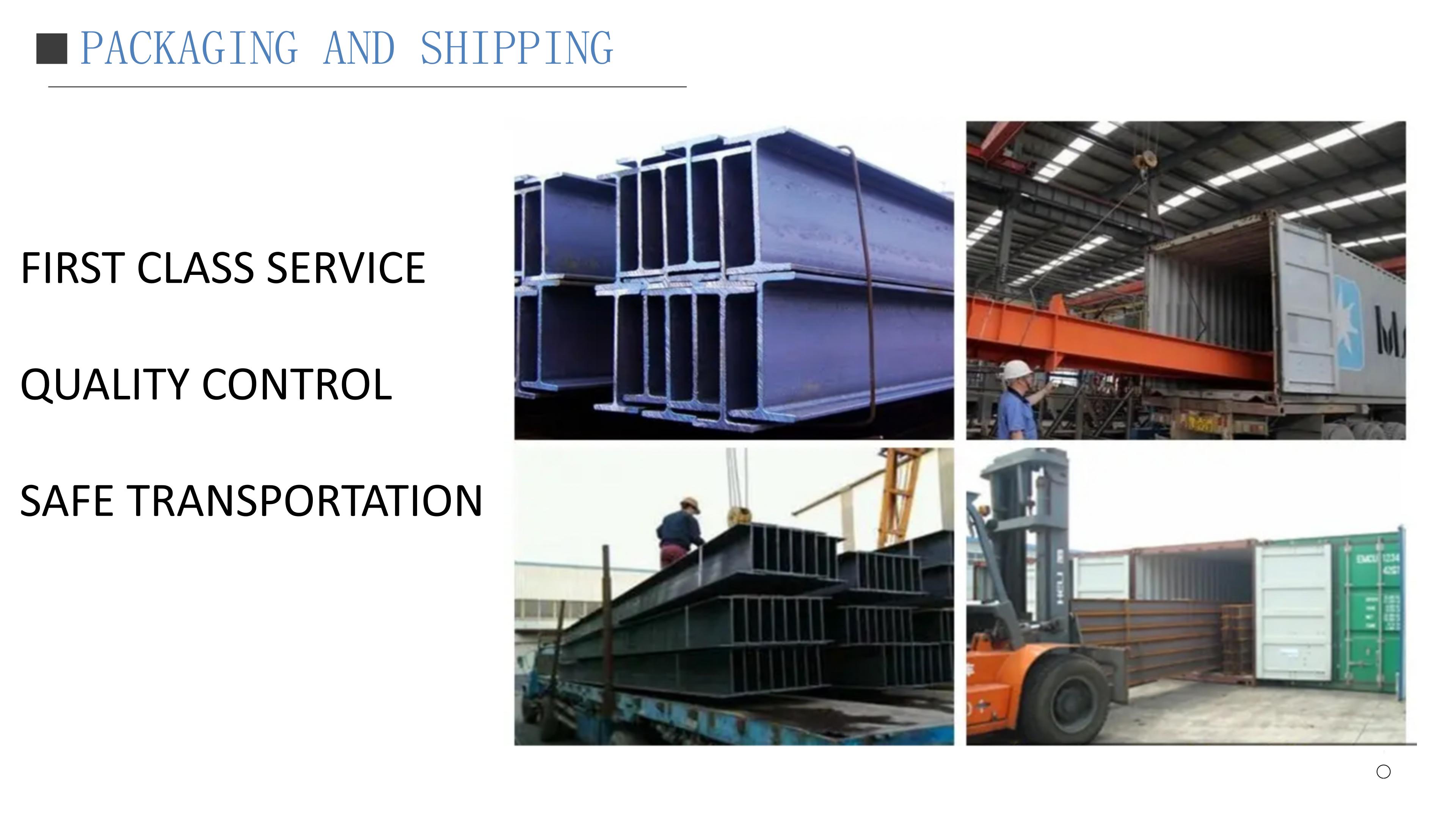
The packaging and transportation of externally marked H-beams generally follow these steps:
Packaging: H-beams are typically packaged according to customer specifications to protect their surface from damage. Common packaging methods include bare packaging, wooden pallet packaging, and plastic packaging. Ensure that the H-beams are free of scratches and corrosion during packaging.
Labeling: Clearly label the packaging with product information, such as model, specifications, and quantity, for easy identification and management.
Loading: During loading and transportation, ensure that the packaged H-beams are free from collisions and crushing to prevent damage.
Transportation: Select appropriate transportation methods, such as trucks or rail, based on customer requirements and the distance covered.
Unloading: Upon arrival at the destination, unload carefully to prevent damage to the H-beams.
Storage: Store H-beams in a dry, well-ventilated warehouse to avoid moisture and other adverse effects.

COMPANY STRENGTH
FAQ
1. Q: How can I get your quotation?
A: Just leave a message and we will reply promptly.
2. Q: Can the goods be dispatched on time?
A:Of course. Integrity is our foundation.
3. Q: Can we get samples before placing an order?
A: Yes, We can also process according to the samples or drawings you provide.
4. Q: Is it allowed for a third party to inspect the goods?
A: Third-party inspection is supported.
5. Q: How can I confirm that you are reliable?
A: We have been dealing with steel for many years and are a high-quality supplier. Our headquarters is in Tianjin. You are welcome to visit at any time.