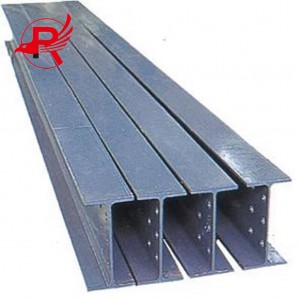
Premium Q235 Galvanized Steel H Beams HEA HEB for Structural Use


Product Detail
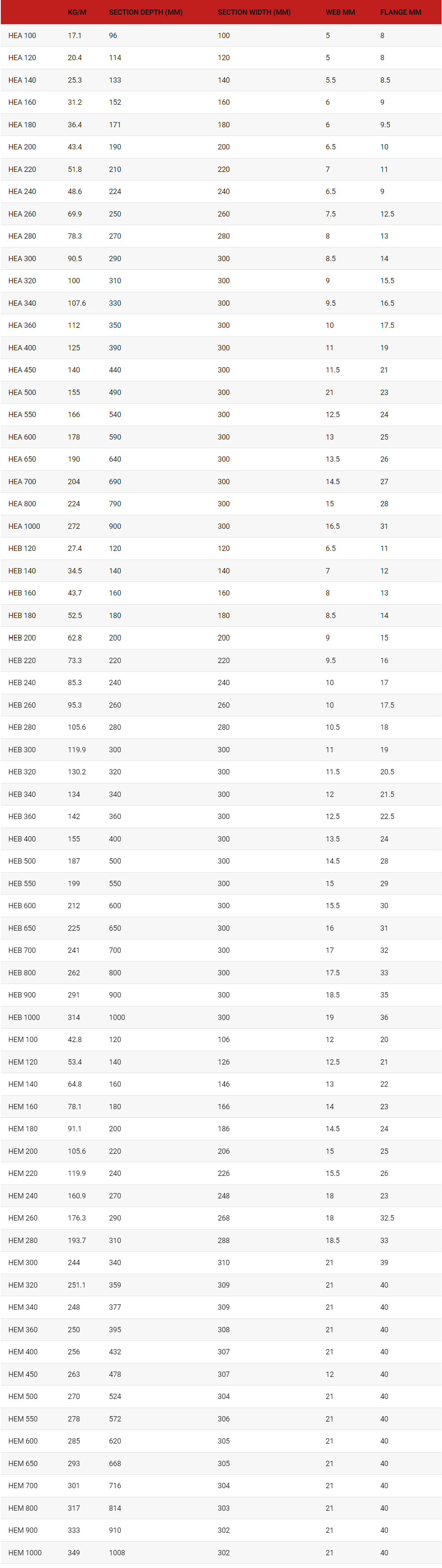
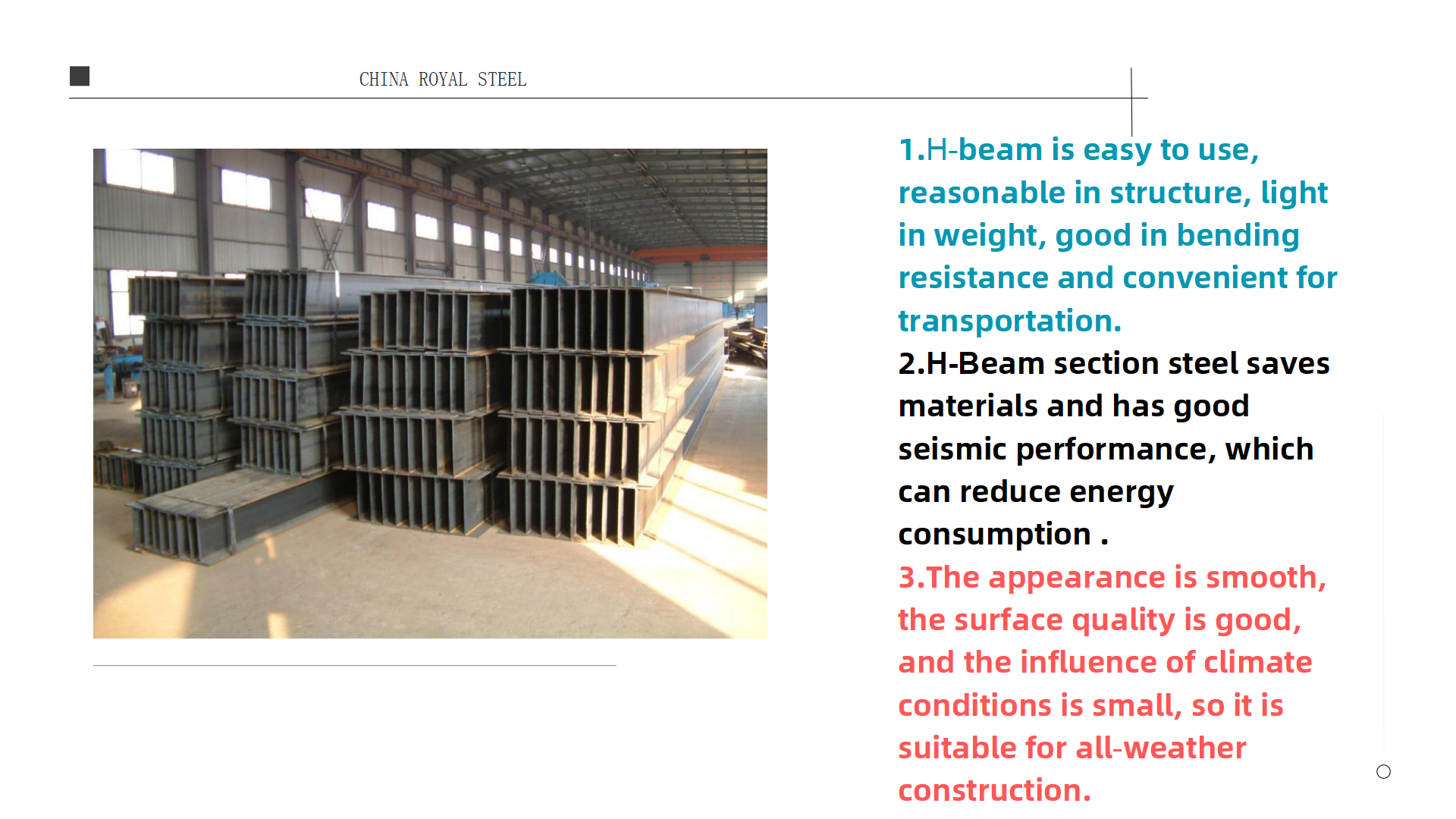
These designations concern various European HE-series H-beams (HEA, HEB, HEM) which differ with regard to dimensions of cross section, thickness of the flanges and load bearing capacity—not the IPE beams.
HEA Beams: The lightest HE profiles with thinner flanges and a relatively low weight, and it is often used in structural areas that need mild strength and good economy in terms of material.
HEB Beams: Considered as the medium weight sections, its flanges are thicker then HEA, but thinner than HEM so it can be used in most of the applications in steel construction.
HEM Beams: The most solid HE profile with the thickest flanges and greatest load bearing capacity in the HE range, which means it is suitable for heavy duty constructions and intense engineering solutions.
Every type is designed to address different structural needs, HEA, HEB and HEM beam selection will be decided on by your project’s design criteria which include the type of loads, span and other related details.

Features
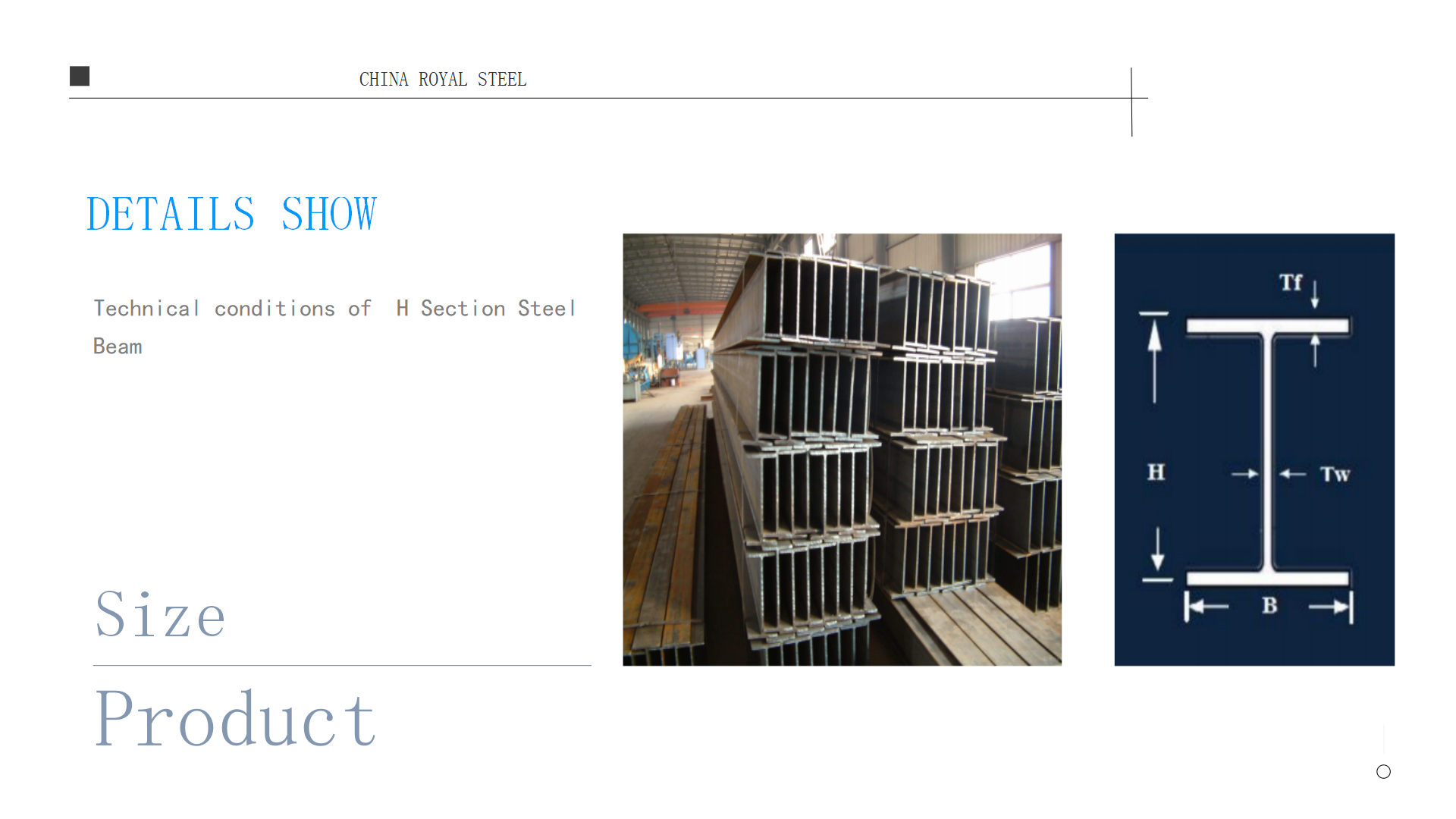
HEA, HEB, and HEM beams are European standard HE-series H-beam sections widely used in construction and structural engineering. They are classified based on their cross-sectional dimensions, flange thickness, and load-bearing performance.
HEA (light-weight HEA sections):
HEA beams feature relatively thinner flanges and reduced weight, making them suitable for general structural applications where moderate strength and efficient material usage are required. They provide good load-bearing capacity and bending resistance for standard building frames.
HEB (medium-weight HE sections):
HEB beams have thicker flanges and a more robust cross-section compared to HEA. They are widely used in building construction due to their balanced performance between strength, stability, and steel consumption, making them one of the most commonly used structural profiles.
HEM (heavy-weight HE sections):
HEM beams are the heaviest and strongest HE profiles, with the thickest flanges and highest load-carrying capacity. They are designed for heavy-duty structural applications and high-stress engineering conditions requiring maximum strength and rigidity.
Each section is engineered for specific structural requirements, and the selection of HEA, HEB, or HEM depends on load conditions, span requirements, and overall structural design specifications.
Application
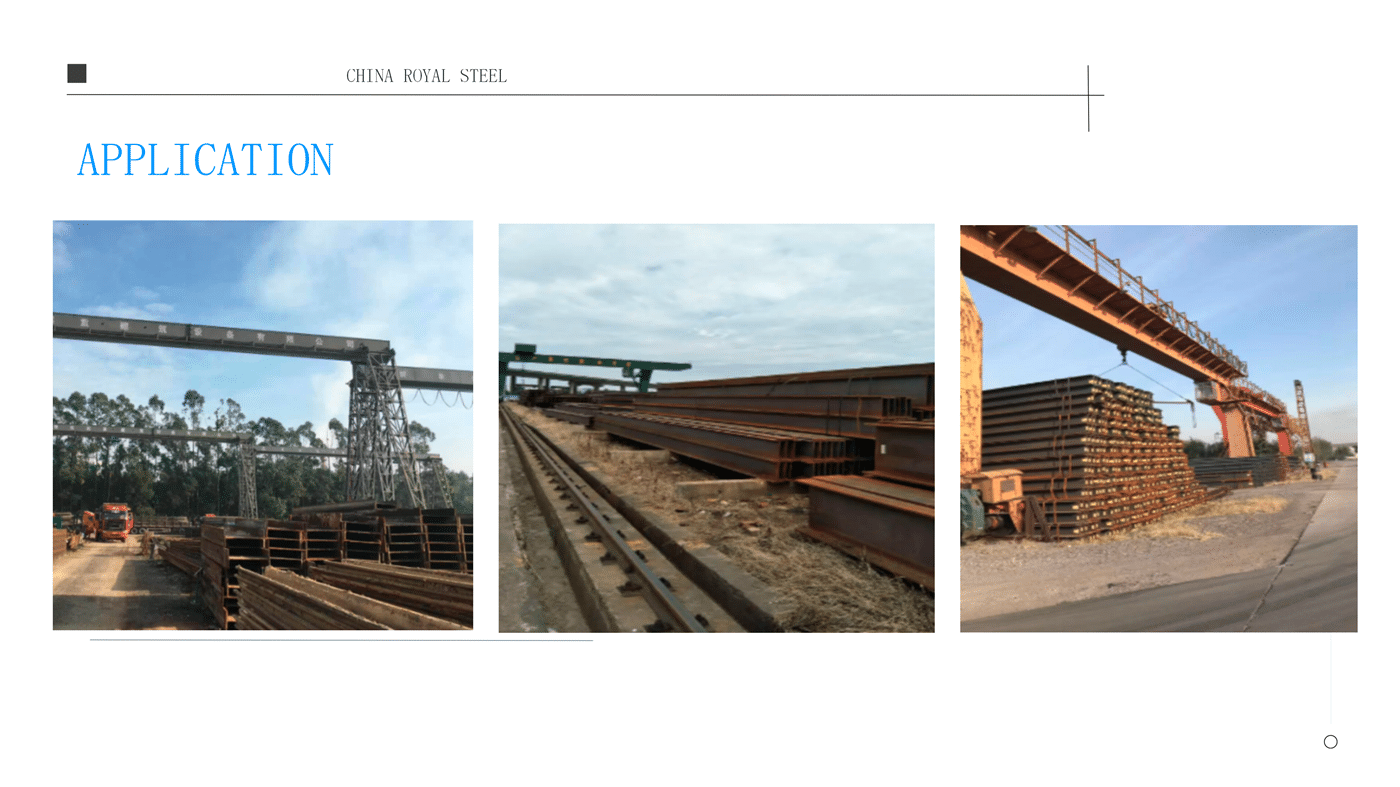
HEA, HEB, HEM and Galvanized H beams have a wide range of applications in the construction and structural engineering industry. Some common uses include:
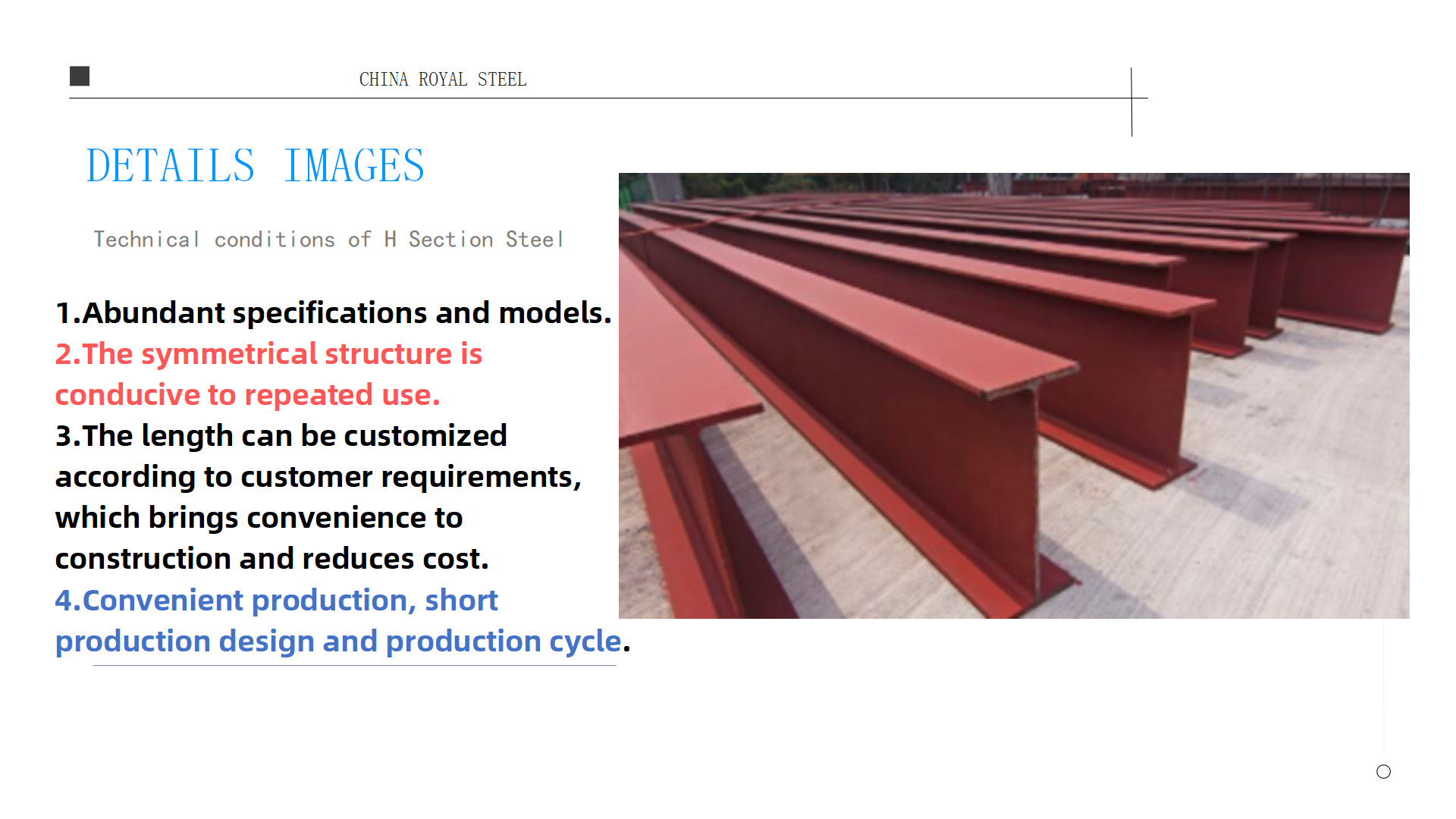
In building construction, these beams are commonly used in commercial and industrial structures to support floors, roofs, and other primary load-bearing systems. They provide reliable structural integrity for multi-story buildings and large-span frameworks.
In bridge construction, HEA, HEB, and HEM beams are used to support bridge decks and structural components, ensuring durability and safe load distribution under heavy traffic conditions.
For industrial structures, they are extensively applied in warehouses, manufacturing plants, and storage facilities, where strong and stable frameworks are required for large open spaces and heavy loads.
In structural frameworks, these beams form the main skeleton of buildings and infrastructure projects, supporting walls, cladding systems, and secondary structural elements.
They are also widely used for equipment support systems, providing stable foundations for heavy machinery and industrial installations.
In addition, HEA, HEB, and HEM beams play an important role in infrastructure projects such as airports, tunnels, power plants, and other large-scale engineering works.
Overall, these beams are essential components in modern construction, offering versatility, high strength, and reliable performance across a wide range of structural applications.
Packaging & Shipping
Packaging and Protection:
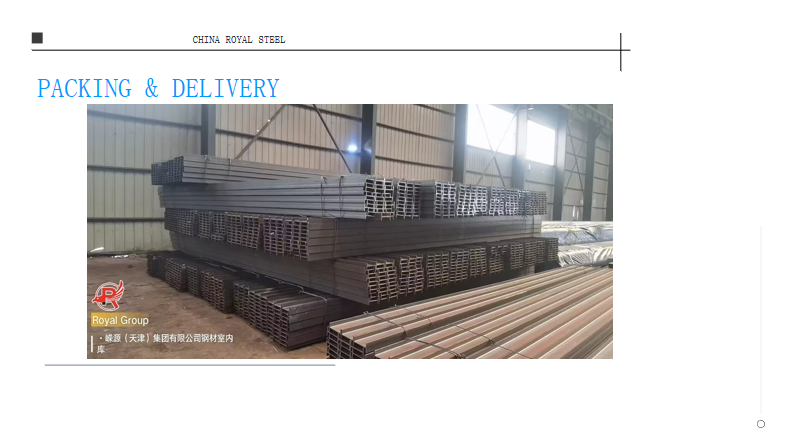
Packaging is essential to ensure the quality and integrity of ASTM A36 H-beam steel during transportation and storage. The steel beams are securely bundled using high-strength steel straps or bands to prevent movement, deformation, or surface damage. To further protect against environmental exposure, the bundles are wrapped with weather-resistant materials such as plastic film or waterproof fabric, effectively reducing the risk of moisture penetration, dust contamination, and corrosion during handling and storage.
Loading and Securing for Transportation:
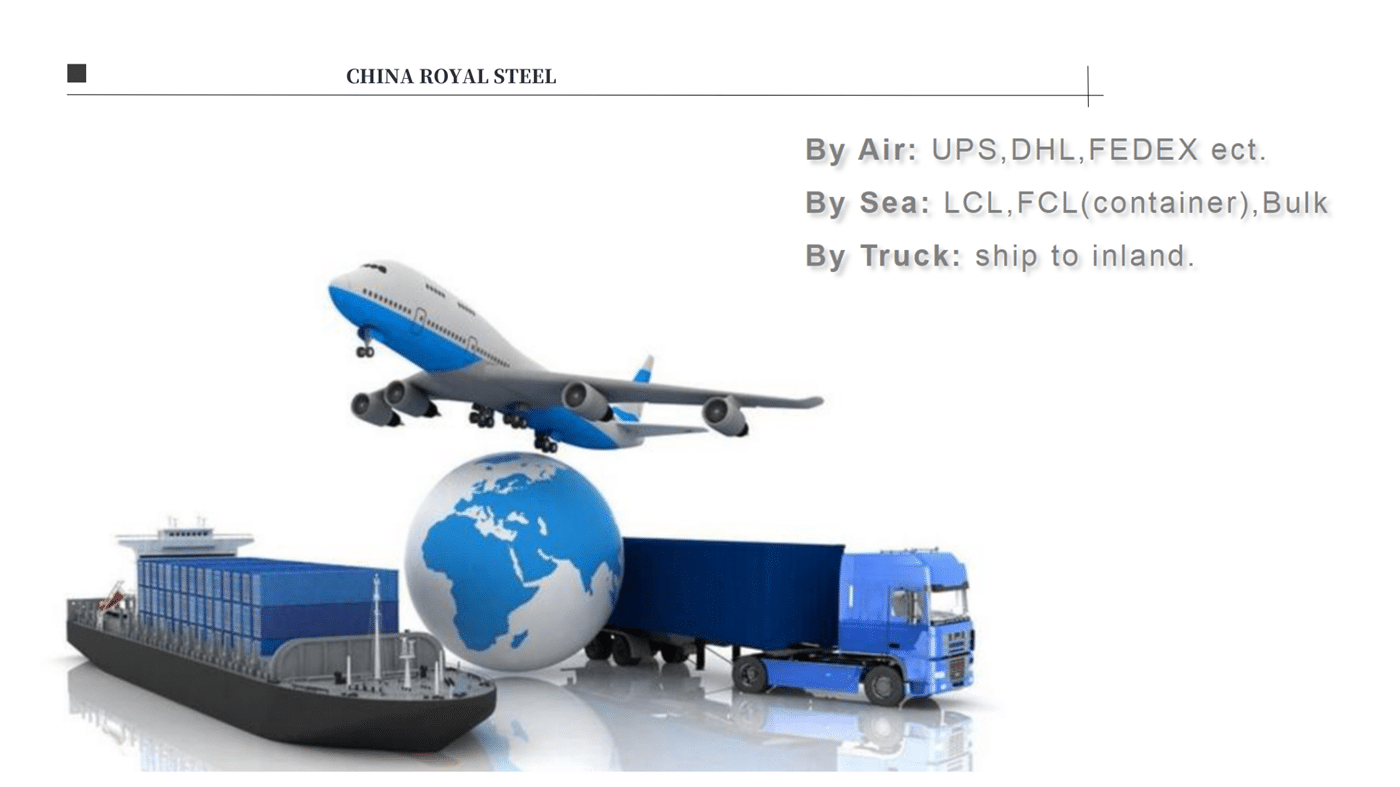
The loading process is carefully carried out using appropriate lifting equipment such as forklifts or cranes to ensure safe and efficient handling. Steel beams are evenly distributed and properly aligned on transport vehicles to maintain balance and prevent structural stress during transit. After loading, the cargo is firmly secured using reliable restraints such as steel wires, chains, or heavy-duty straps to prevent shifting, sliding, or damage throughout the transportation process, ensuring safe delivery to the destination.
FAQ
Q1: Are you a manufacturer or trading company?
A: We are a professional steel structure manufacturer with advanced production facilities, specializing in ASTM and international standard steel products, including H beams, steel structures, prefab buildings, and industrial steel components.
Q2: Where is your factory located?
A: Our production base is located in China with modern workshops equipped with CNC cutting, welding, drilling, and surface treatment lines to ensure high-quality and efficient production.
Q3: Can I visit your factory?
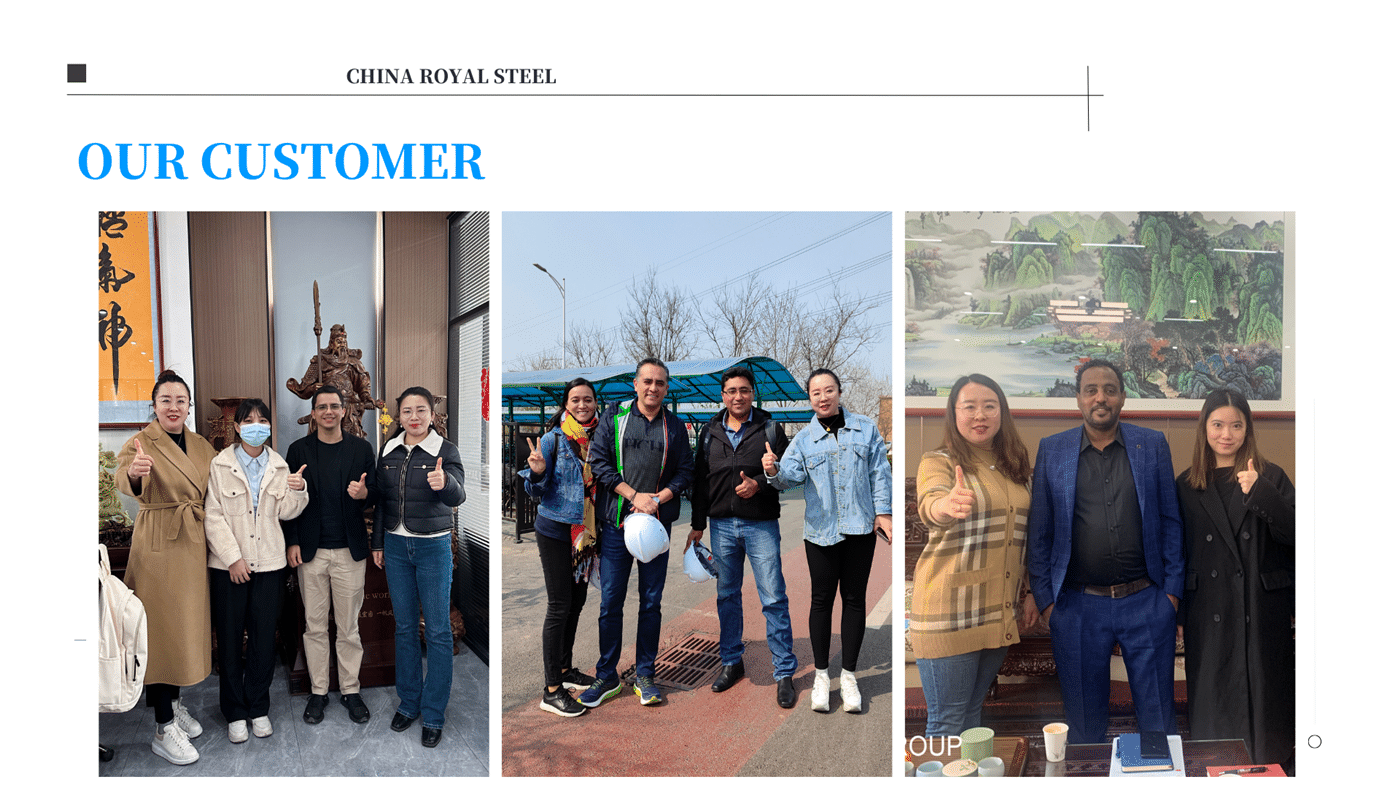
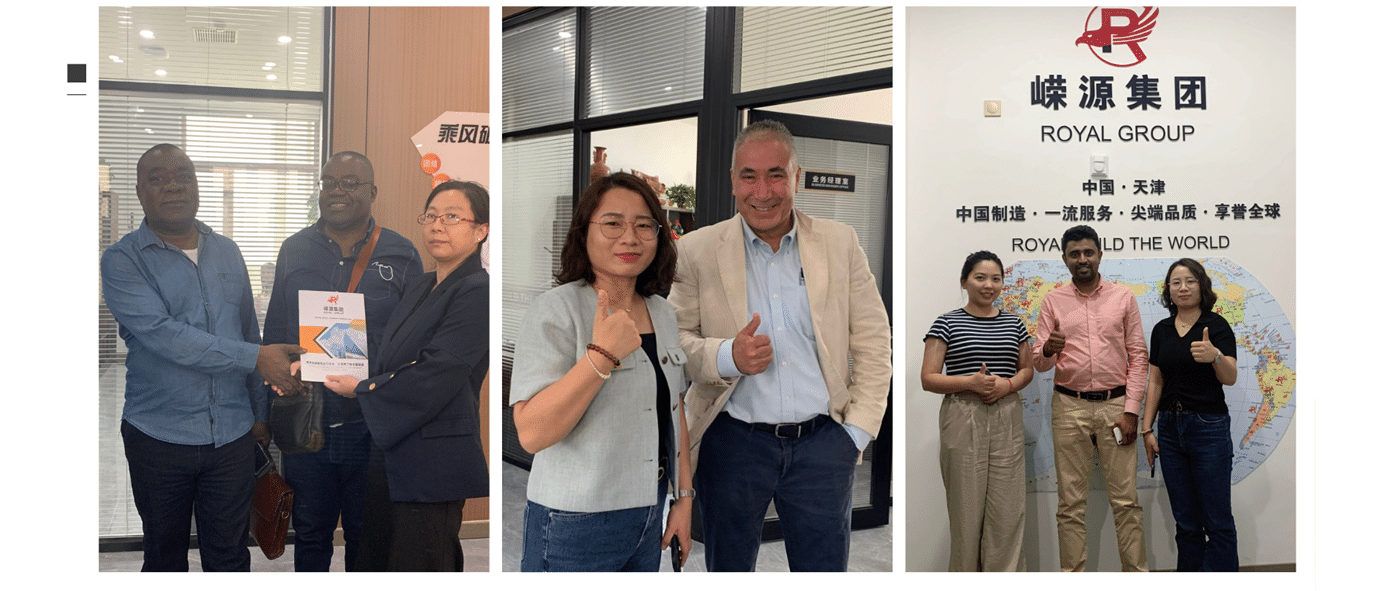
A: Yes, we warmly welcome customers to visit our factory. We can also arrange video inspections for clients who are unable to travel.
Q4: What is your annual production capacity?
A: Our factory has large-scale production capacity, enabling us to handle both small orders and large infrastructure projects with stable and timely delivery.
Q5: Do you have quality certifications?
A: Yes, our products comply with international standards such as ASTM, EN, and ISO, and we provide material test certificates (MTC), SGS, BV, or third-party inspection reports upon request.