
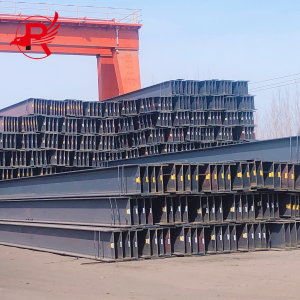
Galvanized Welded Heb Beam Wholesale H Section H-Beam Construction Steel Profile H Beam A36, Ss400, Q235B, Q355b, S235jr, S355 Hea Heb Ipe


Product Detail
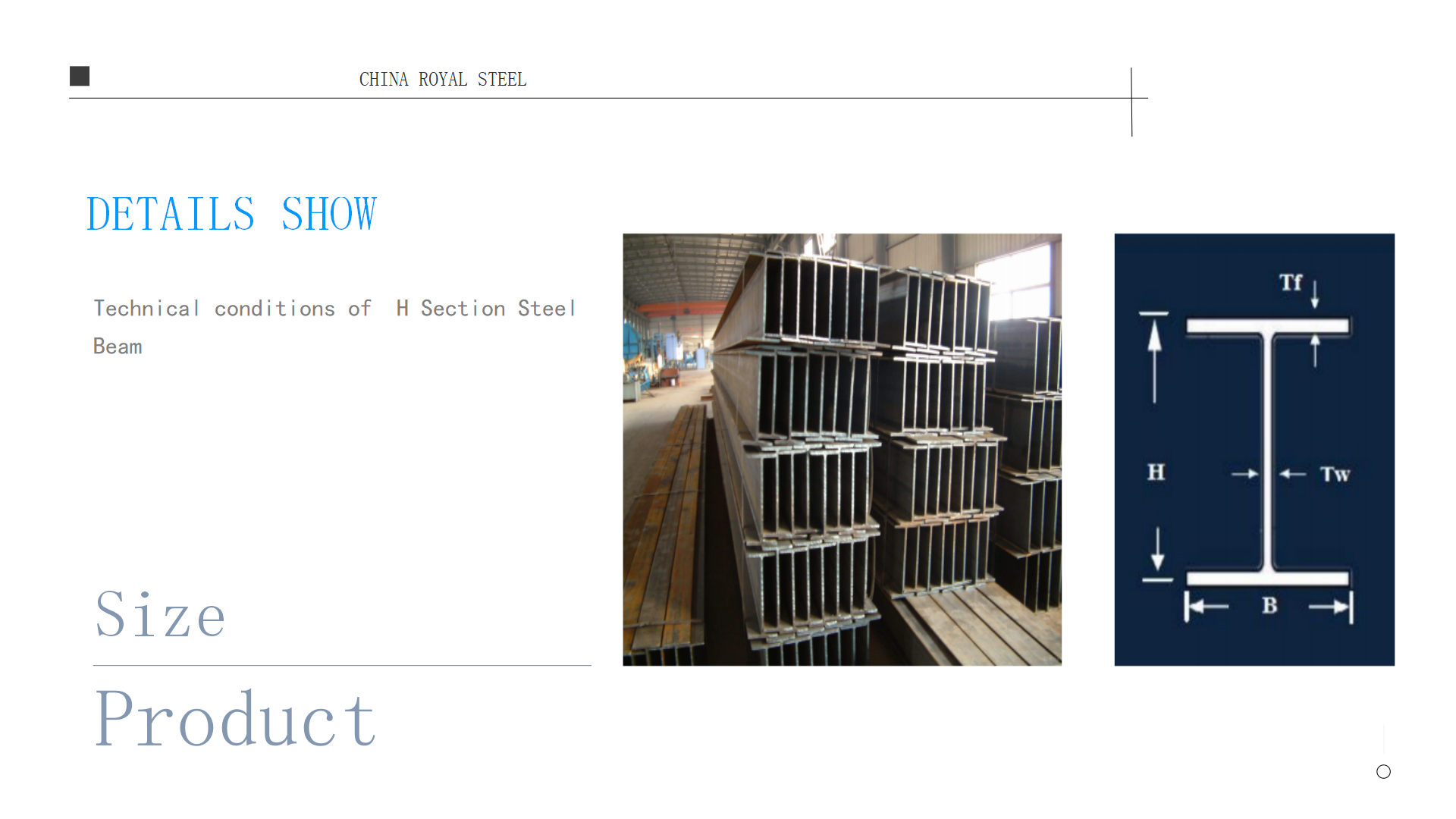
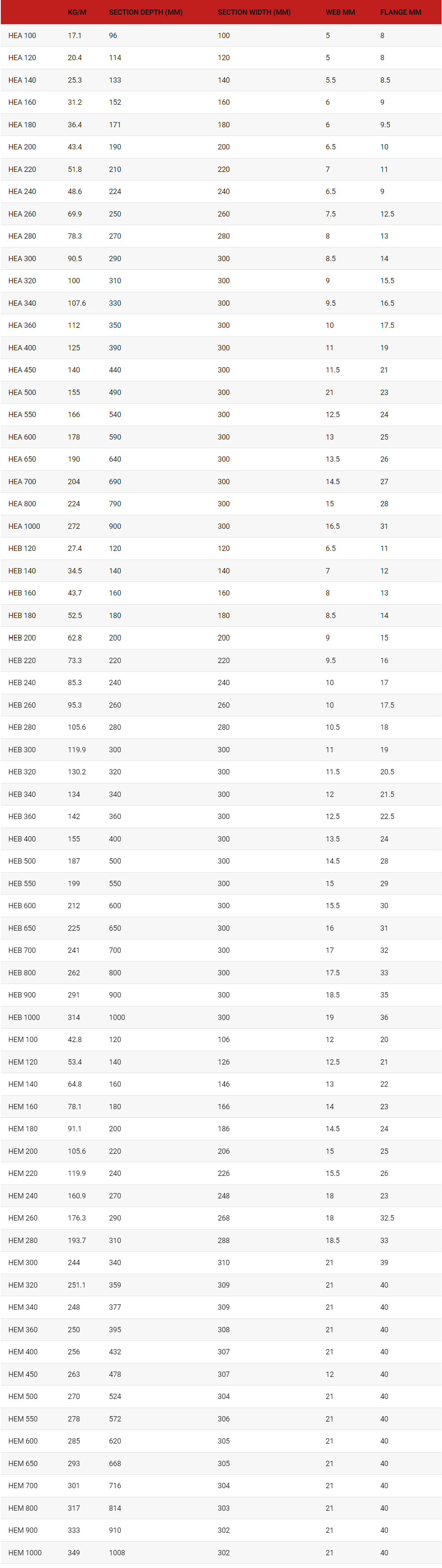
These designations refer to different types of European HE-series H-beams (HEA, HEB, and HEM) based on their cross-sectional dimensions, flange thickness, and load-bearing capacity.
HEA beams:
HEA sections are the lightest HE profiles, featuring relatively thinner flanges and lower weight. They are commonly used in general structural applications where moderate strength and efficient material usage are required.
HEB beams:
HEB sections have a medium cross-section with thicker flanges compared to HEA. They offer a balanced combination of strength, stiffness, and material efficiency, making them widely used in standard building construction.
HEM beams:
HEM sections are the heaviest HE profiles, with the thickest flanges and highest load-bearing capacity. They are designed for heavy-duty structural applications and high-stress engineering conditions.
These beams are engineered for specific structural requirements, and the selection of HEA, HEB, or HEM depends on load conditions, span requirements, and overall project design specifications.

Features
HEA, HEB, and HEM beams are HE-form H-beams which are European standard HE-sections, used extensively in both domestic and international commercial applications. They're not IPE beams, but part of another structural steel system, dependant on their cross-section measurements and the size of the load they can support.
HEA beams:
HEA beams are light H beams with thin flanges. They can be used for general structural purposes when you need moderate strength, efficiency, and low-cost, while maintaining good bending resistance and stability.
HEB beams:
HEB profiles have a moderate cross-section with wider flanges than HEA. They have excellent general purpose characteristics and are widely used in building construction for both beams and columns, and can be considered one of the most popular steel structural profiles due to the balance strength, stiffness and material efficiency.
HEM beams:
HEM profiles are the heaviest HE profiles of the H section having the thickest flanges and maximum load carrying capacity. They are heavy-duty applications to be used in rugged high stress situations.
All are made for particular structural needs, and the choice of HEA, HEB or HEM will be depending on the load information, the span and the overall building design.
Application
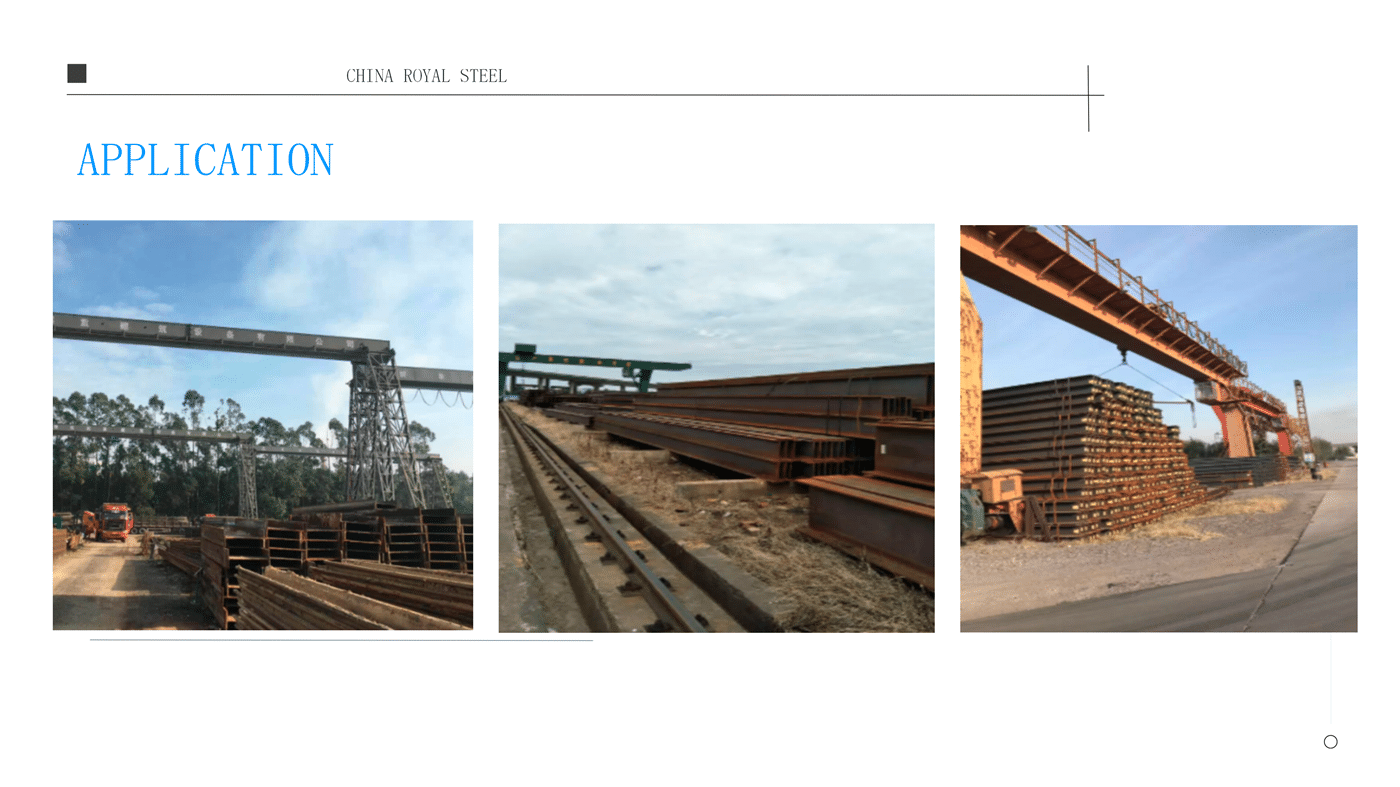
HEA, HEB, HEM and W beams have a wide range of applications in the construction and structural engineering industry. Some common uses include:
Building construction: Commercial, and industrial beams are typically used in the construction of commercial and industrial buildings for supporting floors, roofs, or other load bearers.
Bridge Construction: They are applied in deck support in bridge construction and other structure parts.
Industrial Buildings: HEA, HEB and HEM beams are widely used in the construction of industrial buildings including factories, warehouses and storage solutions both refrigerated or ambient.
Superstructures: They are implemented in the form of I beams and inverted T beams to build superstructures for large scale commercial and infrastructure projects including walls, cladding and structural supports.
Equipment Support: These beams support heavy machinery and industrial equipment.
Infrastructure Development: HEA, HEB and HEM sections are also employed for building infrastructure projects such as tunnels, airports and power stations.
Overall, galvanized H Beams are essential for providing strong and reliable structural support in a variety of construction and engineering projects. Their versatility, strength, and load-bearing capacity make them an indispensable component in modern building and infrastructure design.
Packaging & Shipping
Packaging and Protection:
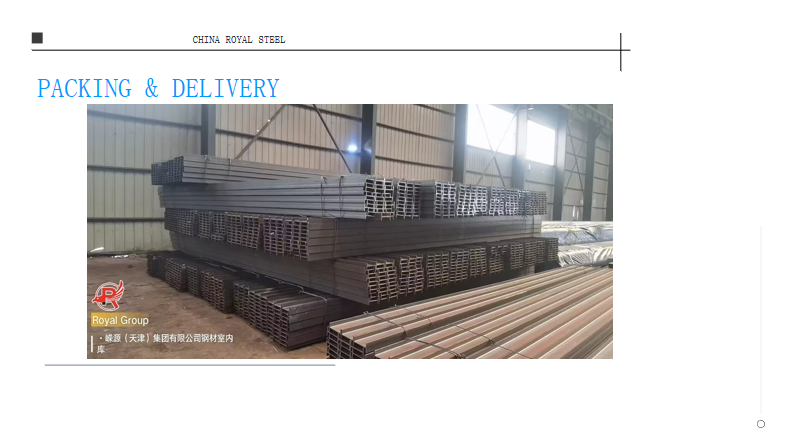
The quality of ASTM A36 H-beams can be maintained well with suitable package in delivery and storage. The steel beams have been tightly packed with high strength steel straps or bands to avoid shifting, bending or surface damage in the moving process. In prevent against exposure to the environment extra packaging on the form of weather proof materials eg plastic film or tarpaulin is provided to reduce chances of moisture ingress, dust ingress or rusting.
Loading and Securing for Transport:
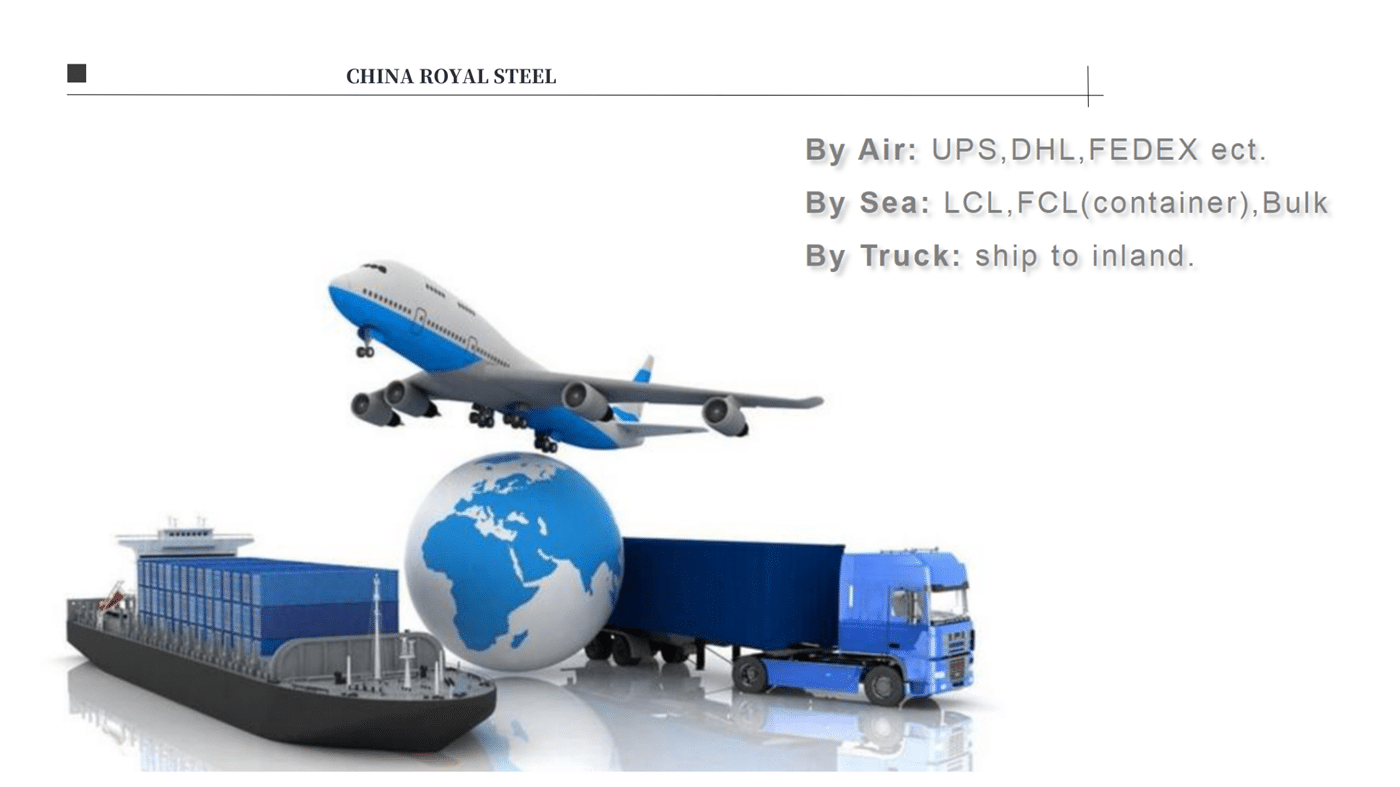
Loading operations should be conducted carefully with the right equipment such as forklifts or cranes to facilitate safe, efficient handling. The beams of steel should be evenly spread and aligned across the transport vehicle prior to installation to prevent any imbalance or overstraining of the vehicle structure while in motion. Once the cargo is loaded, it is tightly secured with strong restraint such as steel chains, ropes, or heavy-duty straps to ensure stability and to enhance the chances of safe delivery to destination without shifting.

FAQ
Q1: Do you provide customized sizes and specifications?
A: Yes, we offer full customization according to project requirements, including size, length, steel grade, surface treatment, and fabrication services based on drawings.
Q2: What standards do your products comply with?
A: Our steel products are manufactured in accordance with international standards such as ASTM, EN, and ISO, ensuring reliable performance and global acceptance.
Q3: How do you ensure product quality?
A: We implement strict quality control from raw material selection to final inspection, including dimensional checks, welding inspection, surface treatment testing, and third-party certification if required.
Q4: What is your delivery time?
A: Delivery time depends on order quantity and specifications, but we maintain efficient production scheduling to ensure on-time shipment for all projects.
Q5: Do you support third-party inspection?
A: Yes, we support inspections by SGS, BV, TUV, or any customer-appointed third-party inspection agency before shipment.
Products categories
-

EN S355JR H Beam Structural Steel for Construct...
-

HEA HEB HEM H Beam H Shaped Steel Beam – Europe...
-

EN 10025 S460 H Beam | HEA HEB European Standar...
-

Ub 914*419*388 UC 356*406*393 Hea Heb Hem 150 H...
-

EN S235JR H Beam Steel Hot Rolled HEA/HEB/HEM S...
-
ASTM A572 S235jr Grade 50 150X150 W30X132 Wide ...