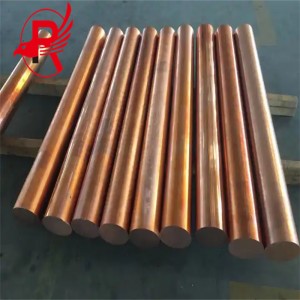
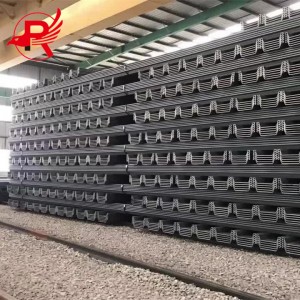
GB Standard Round Bar Hot Rolled Forged Mild Carbon Steel Round/Square Iron Rod Bar
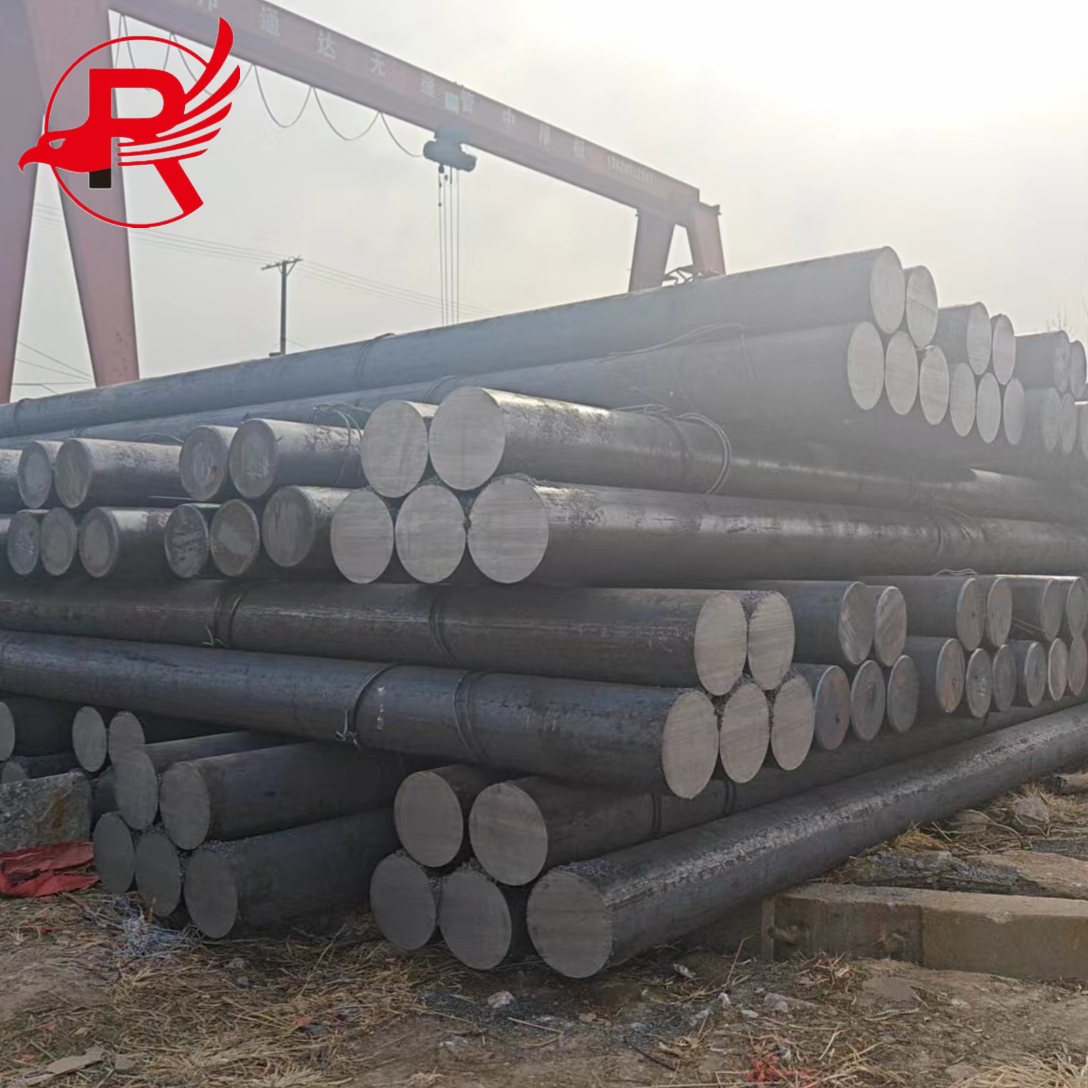
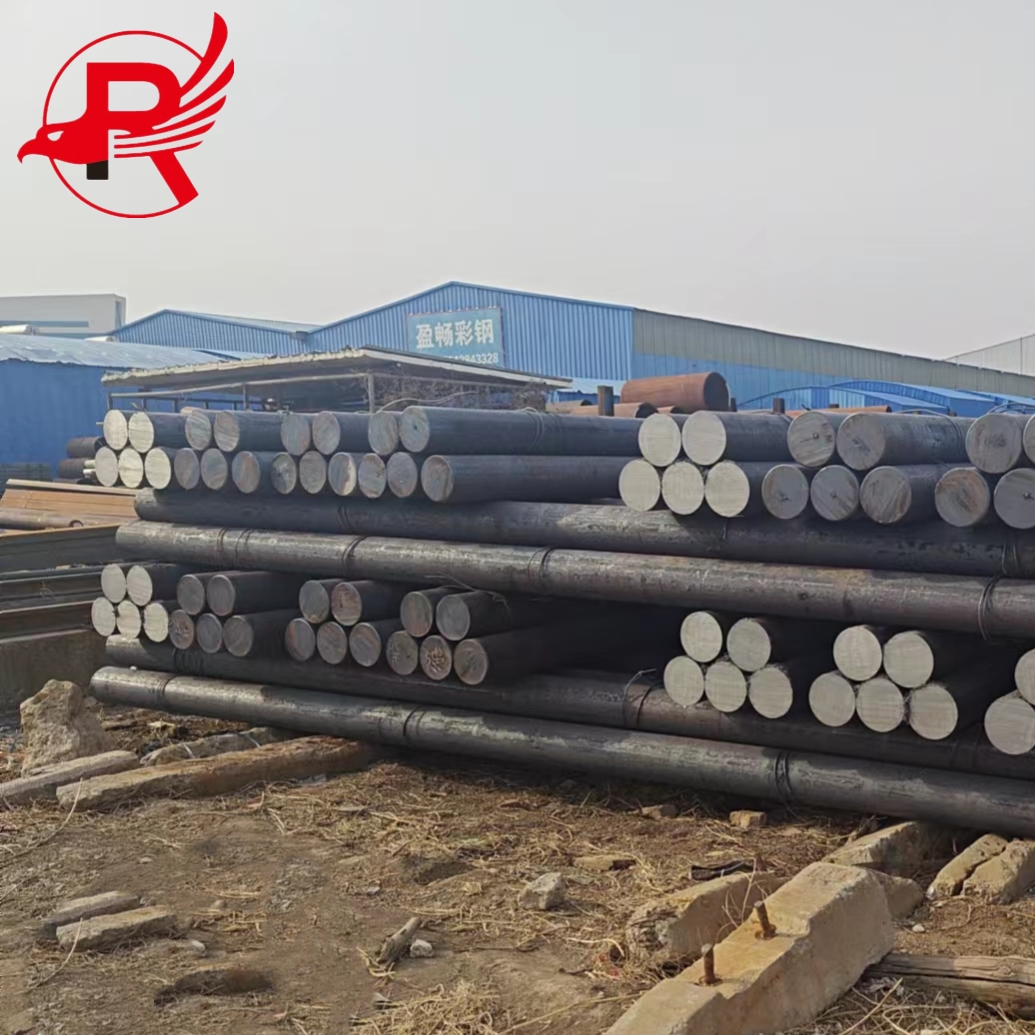
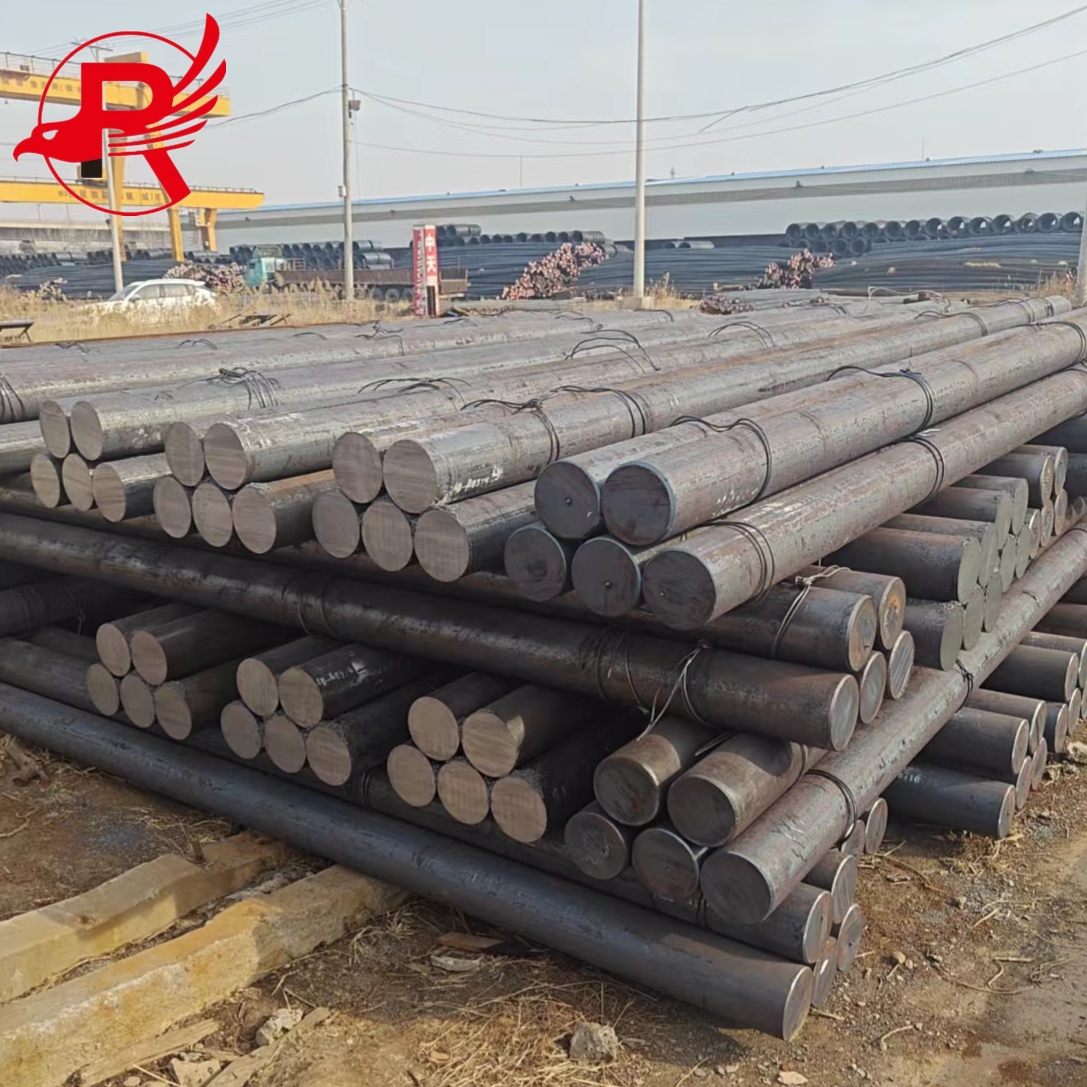
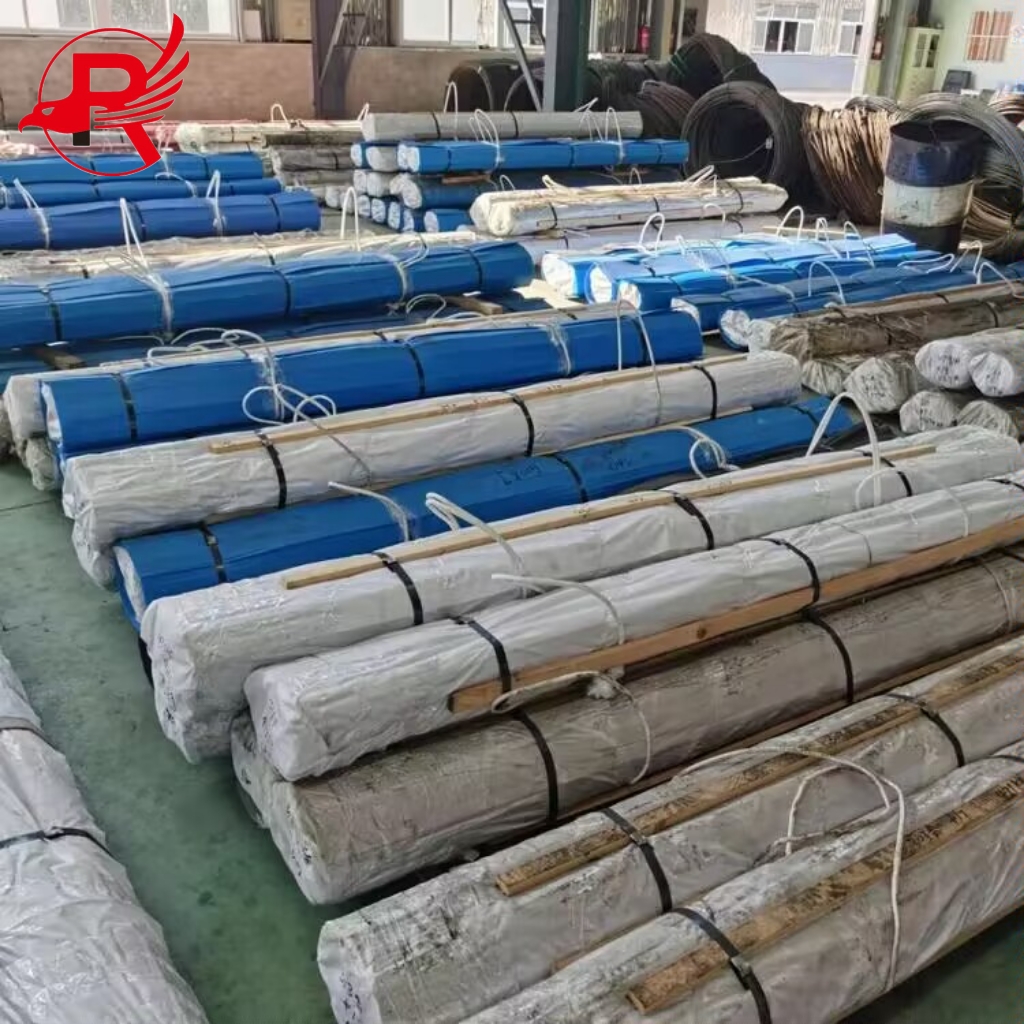
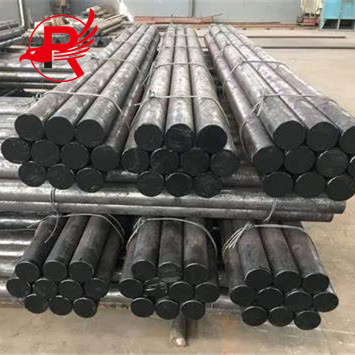

Round steel rods are usually made of carbon steel or alloy steel and have excellent strength and rigidity. They can be heat treated according to application requirements to improve their hardness and wear resistance. Steel rods can be round, square or other cross-sectional shapes and often have a certain surface treatment, such as galvanizing or coating, to improve their corrosion resistance. In addition, steel rods are usually produced according to specific standard specifications to ensure that their quality and performance meet the relevant requirements.
PRODUCT PRODUCTION PROCESS
1. Preparation of raw materials
1. Material selection: Choose high-quality steel with good quality, no oxide scale, no cracks or cracks, and few impurities as raw materials.
2. Cutting: Cut the raw materials into appropriate lengths and diameters, ensuring that the cutting surface is bright and crack-free.
2. Refining
1. Impurity removal: Use magnetic separator or manual sorting to remove impurities in raw materials.
2. Preheating: heating the raw materials to a certain temperature in the furnace for subsequent operations.
3. Refining: Put the preheated raw materials into a refining furnace for high-temperature treatment to remove harmful substances such as carbon, sulfur, and phosphorus in the raw materials, and adjust the carbon content.
3. Processing and forming
1. Preforming: Processing the refined raw materials into bars of a certain shape.
2. Heat treatment: Heat the preformed rod to a certain temperature and keep it for a period of time to adjust the mechanical properties of the rod.
3. Cooling: Place the heated rod in the air to cool naturally.
4. Finishing: The steel round bar is further subjected to fine processing such as wire cutting and polishing to achieve higher precision and surface quality.

PRODUCT SIZE
| Parameter | Specification / Details |
|---|---|
| Product Name | Steel Bar |
| Diameter | 2–500 mm |
| Length | 3,000–6,000 mm |
| Type | Round, Square, Hexagonal, Angle, Flat Bar |
| Surface Treatment | Cleaned, sandblasted, or painted per customer request |
| Thickness Tolerance | ±0.1 mm |
| Material | Carbon & alloy steel (20#, 35#, 45#, 50#, 16Mn, 20Cr, 40Cr, 42CrMo, 60Si2Mn, 1Cr13–4Cr13, Q195, Q235, Q345, SPCC, ST37, DC01–DC06, etc.) |
| Application | Small tools, structural components, bolts & nuts, shafts, gears, connecting rods, lifting hooks, machinery, automotive, construction |
| MOQ | 25 tons (sample orders accepted) |
| Shipment Time | 15–20 working days after deposit or payment |
| Packing | Waterproof paper with steel straps; standard export seaworthy packaging; suitable for all transport modes |
| Annual Capacity | 250,000 tons |
| Usage Industries | Shipping, petrochemical, machinery, electric power, building, nuclear, aviation, seawater equipment, chemical, paper-making, fertilizer, coastal infrastructure |
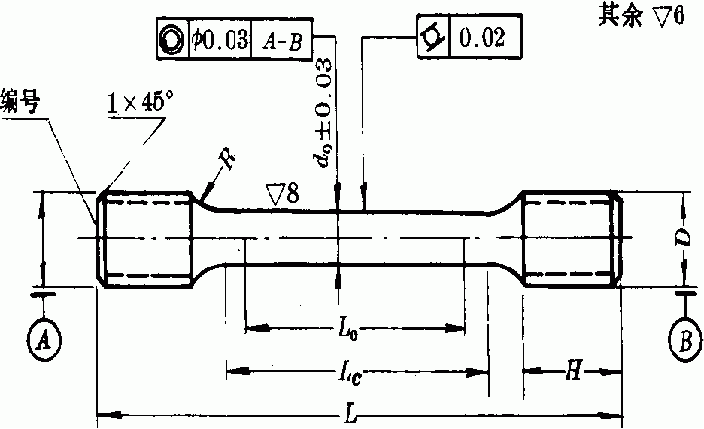
GB Standard Round Bar
Specifications: Q235,Q355,20,45,40Gr
Standard: GB/T 1499.2-2007
GB/T 1499.3-2010
Size:6-12M or customer's requirement
|
||||||||||||||||||||||||||||||||||||||||
FEATURES
The packaging and transportation of steel rods require special attention to the following details:
Protection: Measures should be taken to protect steel rods from damage or corrosion during the packaging process. Appropriate anti-rust treatment or protective packaging materials can be used to protect against moisture or other environmental factors during transportation.
Reinforcement: Steel rods are usually heavy, so reinforcement measures need to be considered during packaging and transportation to ensure that they do not become deformed or damaged.
Identification: The specification, quantity and weight of steel rods are clearly marked on the package for identification and management during transportation and storage.
Compliance: During the transportation process, it is necessary to comply with the relevant transportation regulations and standards, including cargo loading, lifting and fixing operations to ensure safe transportation.
Handling: During handling and transportation, attention should be paid to avoid collision and friction, so as not to cause damage to the steel rod.

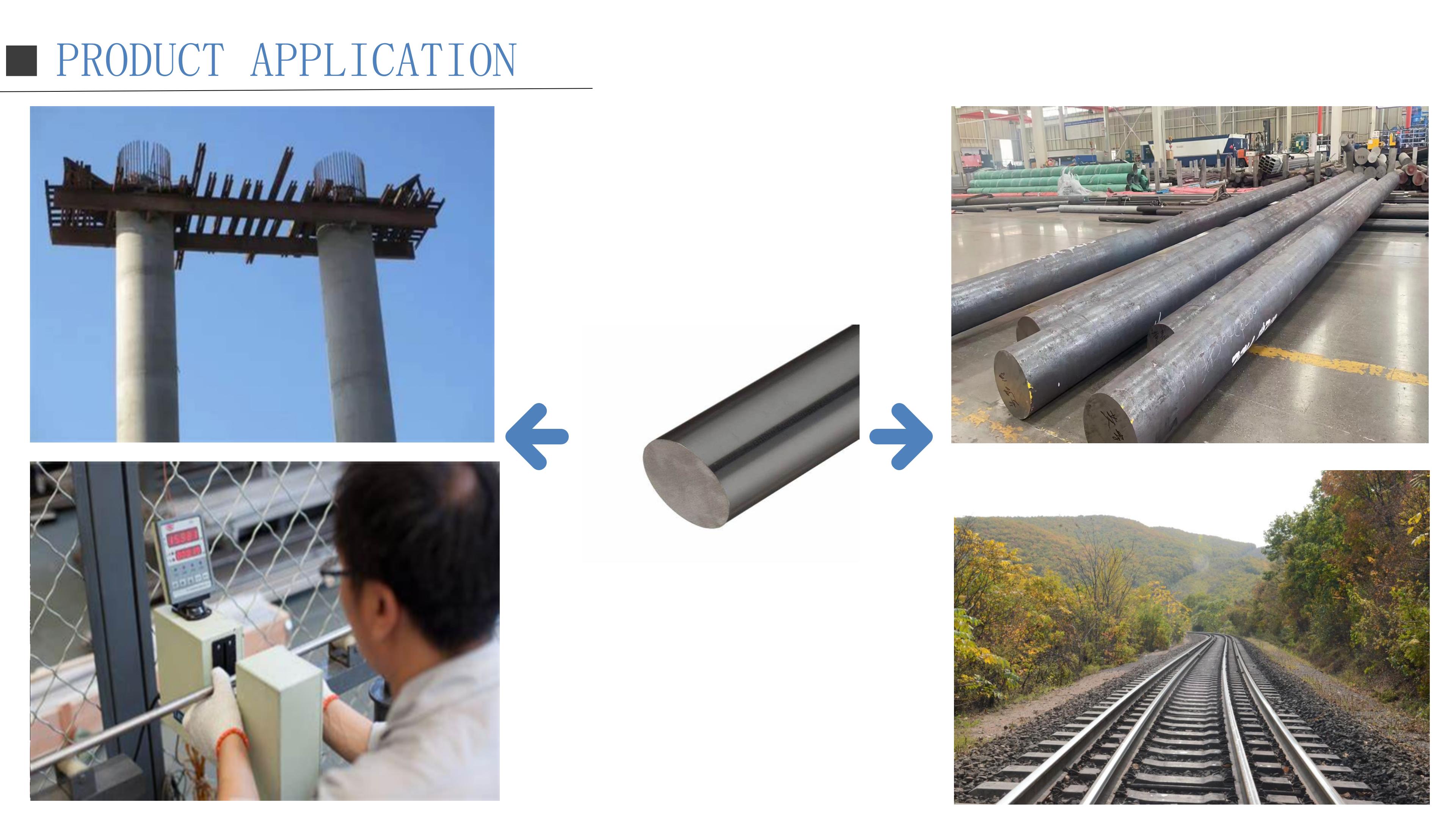
APPLICATION
steel round bars have a wide range of applications due to their versatile properties. Some common applications include:
Construction: Mild steel round bars are used in construction for reinforcing concrete structures such as buildings, bridges, and roads.
Manufacturing: They are used in the manufacturing of machinery, equipment, and components due to their ease of machinability and durability.
Automotive: Mild steel round bars are used in the manufacturing of automotive components, such as axles, shafts, and various structural parts.
Agricultural Equipment: They are used in the fabrication of agricultural machinery and equipment due to their strength and formability.
General Fabrication: Mild steel round bars are widely used in general fabrication applications, including the production of gates, fences, frames, and other structural elements.
DIY Projects: They are often used in do-it-yourself projects for creating furniture, decorative items, and small structures due to their availability and ease of handling.
Tool Making: Mild steel round bars are also used in the fabrication of hand tools, machine tools, and industrial equipment.
PACKAGING AND SHIPPING
Packaging:
Steel rod stack firmly: steel rod stack neatly, stable, to ensure that steel rod alignment, to prevent steel rod instability. Use straps or bindings to secure the stack and prevent movement during transportation.
Use protective packaging: Wrap steel rods in a moisture-proof material, such as plastic or waterproof paper, to protect them from water, humidity and other environmental factors. This will help prevent rust and corrosion.
Shipping:
Choose the right mode of transport: According to the number and weight of steel rods, choose the right mode of transport, such as flatbed trucks, containers, ships, etc. Consider factors such as distance, time, cost, and traffic regulations.
Use appropriate lifting equipment: When loading and unloading steel rods, appropriate lifting equipment should be used, such as cranes, forklifts, loaders, etc. Ensure that the equipment used has sufficient capacity to safely handle the weight of the steel rod.
Fixed load: Use straps, braces or other suitable methods to properly secure the packaged steel rods to the transport vehicle to prevent movement, sliding or falling during transport.


COMPANY STRENGTH
Made in China, professional service, premium quality, globally trusted
-
Advanced Technology: Equipped with modern production lines and automated machinery, ensuring consistent high-quality steel.
-
Comprehensive Solutions: From raw material sourcing to fabrication and logistics, we provide one-stop steel solutions for all project types.
-
Global Logistics Network: Efficient international shipping and delivery ensure your steel arrives on time, anywhere in the world.
-
Flexible Customization: Dimensions, coatings, processing, and prefabrication can be tailored to project requirements.
-
Quality Assurance: All products comply with international standards, with strict inspection and certification for industrial, commercial, and infrastructure projects.
-
Sustainable & Green: Recyclable steel and eco-friendly production processes support green construction and environmental standards.
-
Expert Support: Technical consultation, project planning, and after-sales service to ensure smooth execution of your project.
*Send the email to [email protected] to get a quotation for your projects

CUSTOMERS VISIT

FAQ
1. How can I get a quotation from you?
You can leave us a message, email, or WhatsApp, and our sales team will reply promptly.
2. Will you deliver the goods on time?
Yes. We guarantee high-quality products and punctual delivery. Honesty and reliability are our principles.
3. Can I get samples before placing an order?
Yes, free samples are available. We can also produce according to your samples or technical drawings.
4. What are your payment terms?
Our standard terms are 30% deposit, 70% balance against B/L. We accept EXW, FOB, CFR, CIF.
5. Do you accept third-party inspection?
Yes, third-party inspections by SGS, BV, TUV, or your preferred company are welcome.